English
 中文简体
中文简体 عربى
عربى

A Concrete Nail Gun is designed for fastening materials to hard construction surfaces such as concrete and suitable masonry substrates. Unlike tools intended for soft materials, concrete fastening equipment needs an appropriate power system to drive compatible fasteners into a hard base. The power source therefore has a direct relationship with the working environment, fastening task, tool handling, and required preparation.
Understanding Concrete Nail Gun Power Systems
Concrete Nail Guns can use several power systems, including pneumatic, gas powered, powder actuated, and battery powered designs. Each system has a different operating method and may fit particular construction conditions.
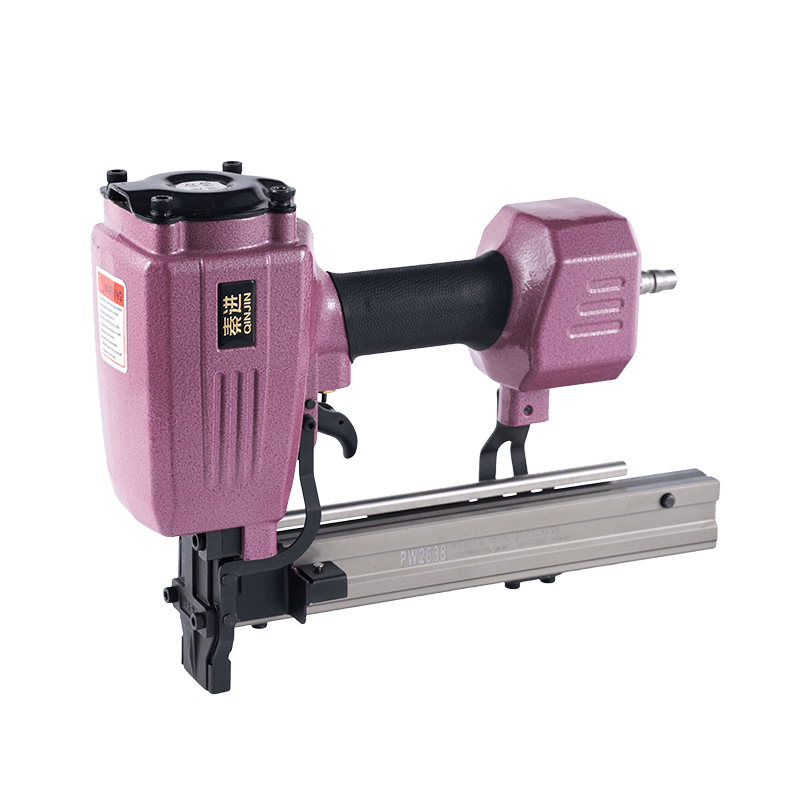
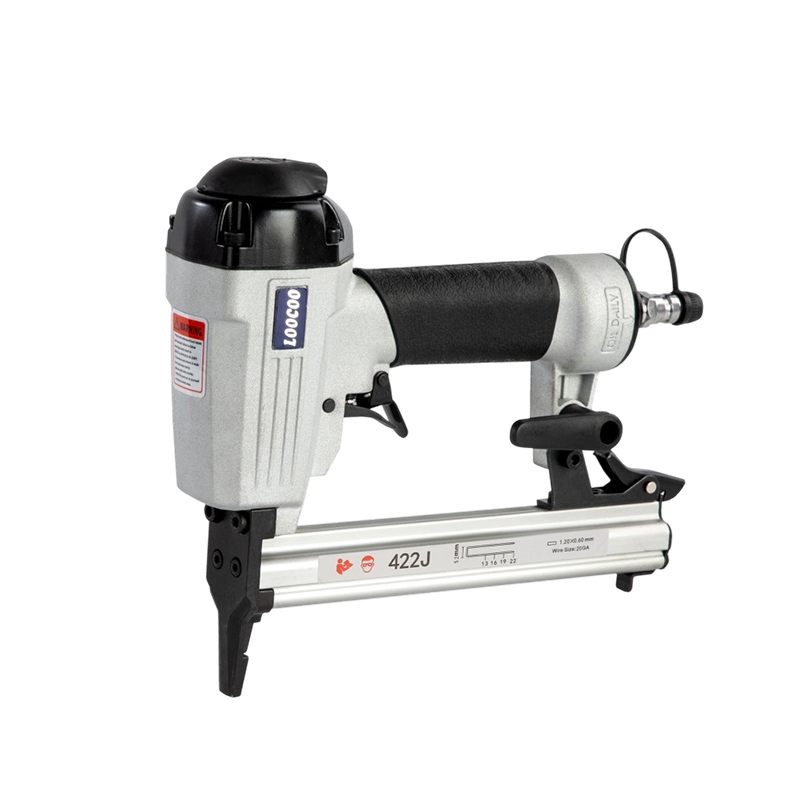
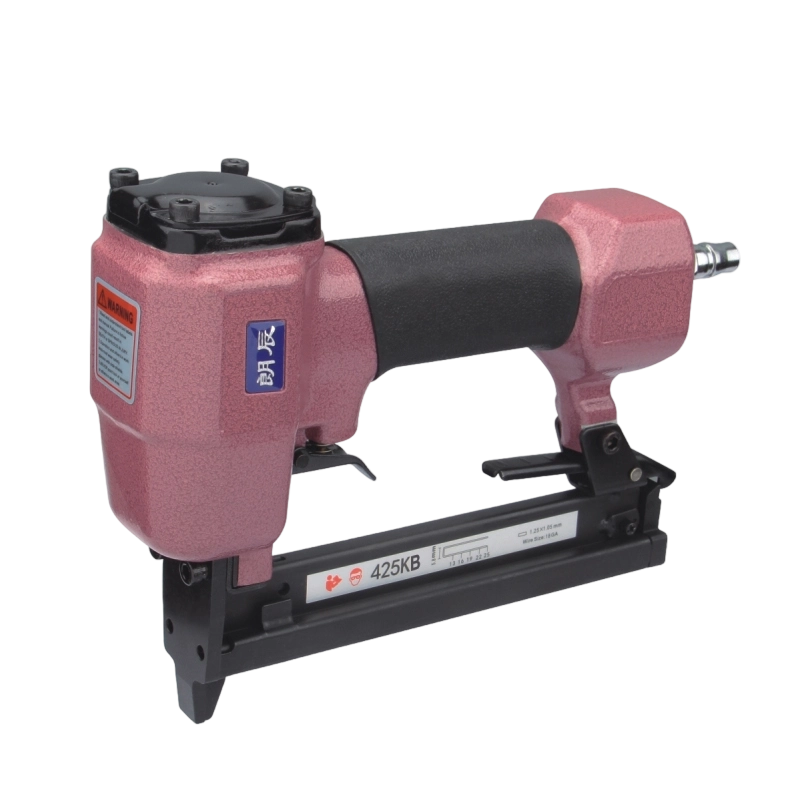
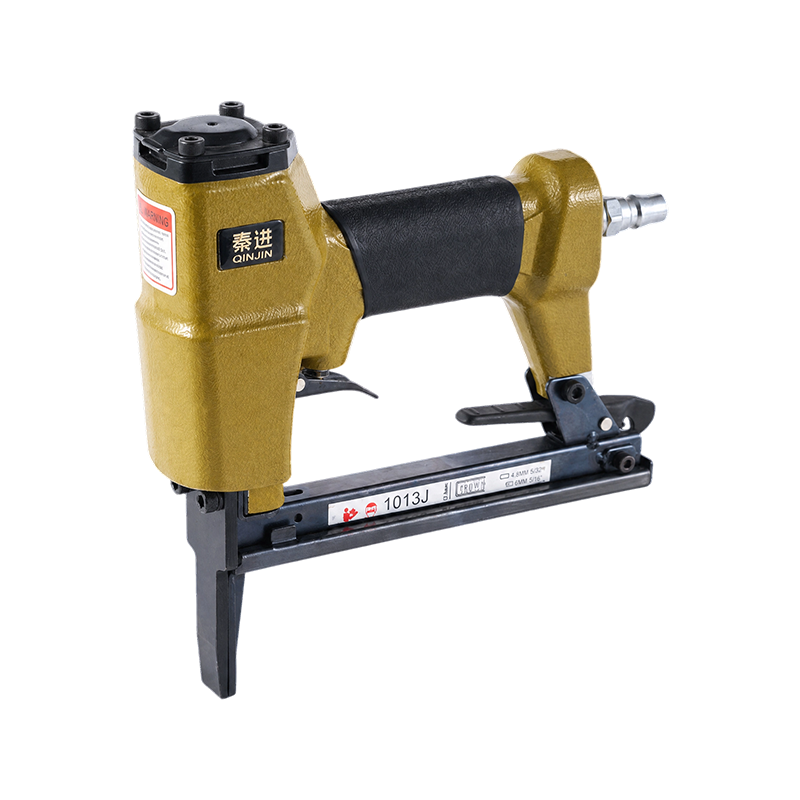
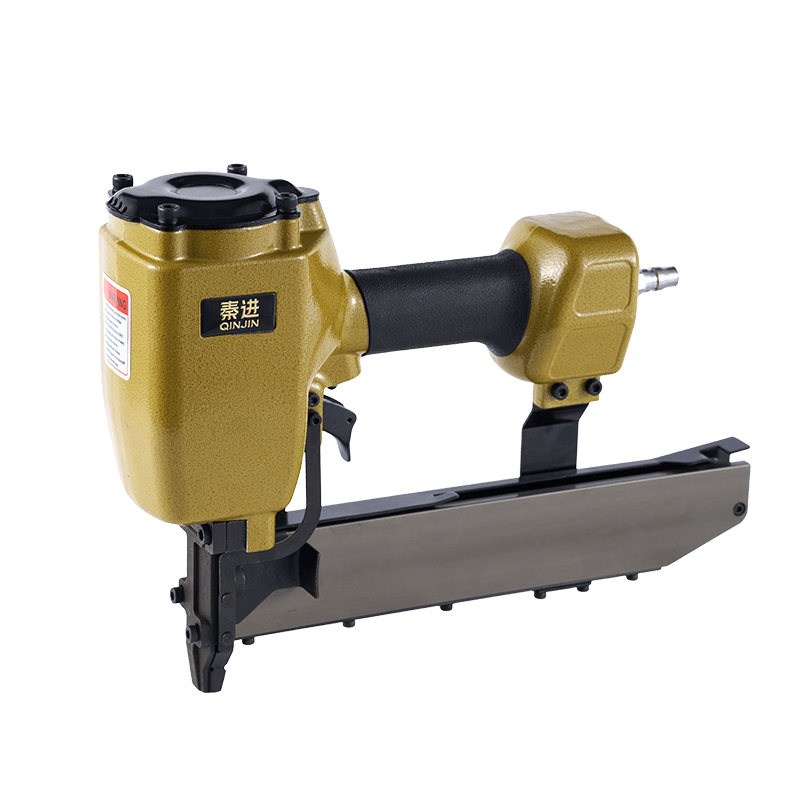
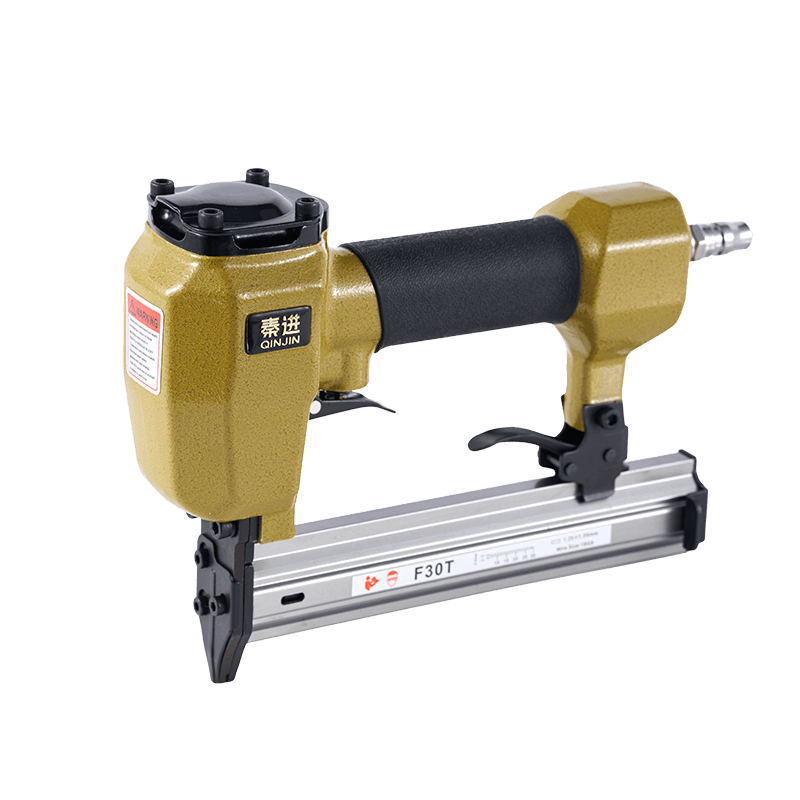
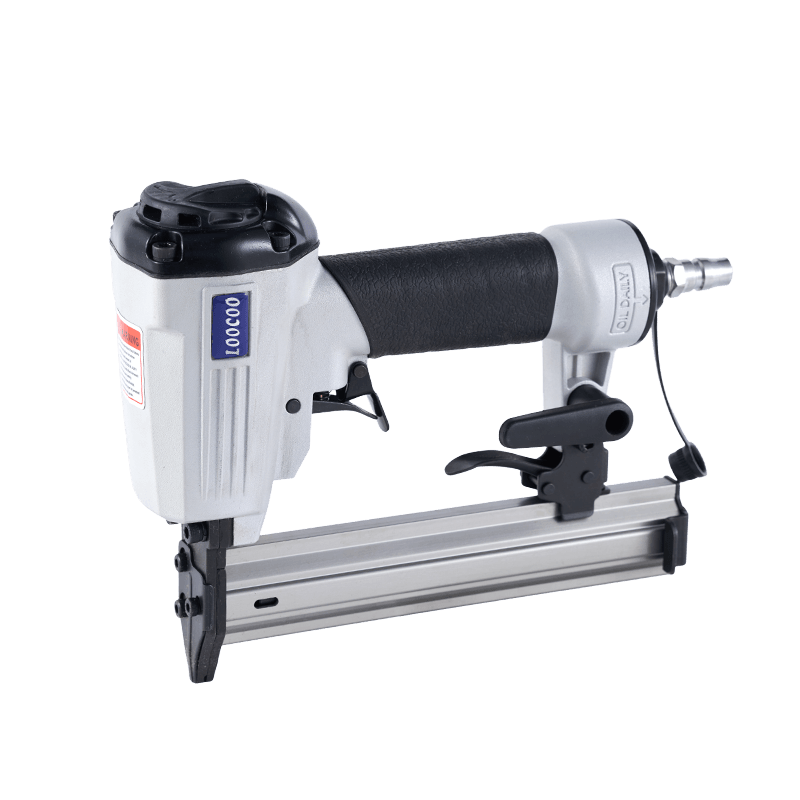
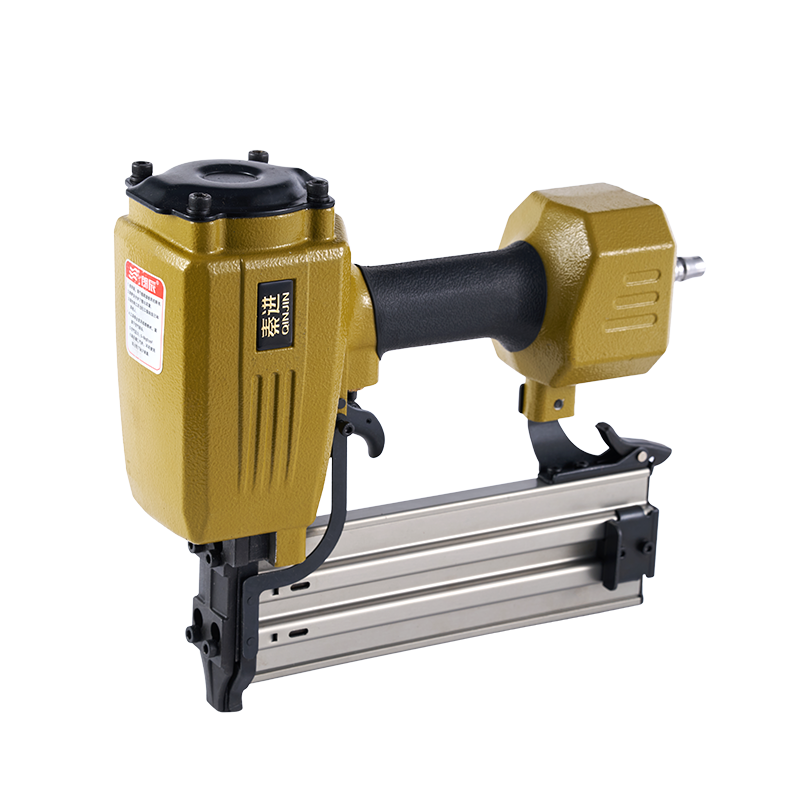
Pneumatic models use compressed air to operate the driving mechanism. They are connected to an air compressor through a hose, making them useful in environments where compressed air is readily available.
Gas powered models use a fuel cell and internal combustion system to generate the force needed for fastening. Their cordless configuration can provide greater freedom of movement around construction areas where an air compressor and hose would be inconvenient.
Powder actuated tools use controlled charges to drive specially designed fasteners into approved substrates. Because this system involves a propellant charge, operation requires appropriate training, tool inspection, and compliance with applicable safety requirements.
Battery powered models use rechargeable batteries and an electric driving system. They can be convenient for mobile work because they do not require an air hose or fuel cell during operation.
Pneumatic Concrete Nail Guns
A pneumatic Concrete Nail Gun depends on compressed air supplied through an air compressor. When the trigger mechanism is activated under suitable operating conditions, compressed air drives the internal mechanism and transfers force to the fastener.
This type of tool can fit construction environments where compressed air equipment is already part of the workflow. Workshops, installation areas, and construction projects with established pneumatic systems may benefit from this arrangement.
The air hose is an important consideration. It needs to provide sufficient flexibility for the work area without creating unnecessary interference around the operator. Compressor capacity, air pressure requirements, hose condition, and routine maintenance should also be considered when preparing a pneumatic fastening system.
Tool weight and handling remain relevant even when the power source is external. A suitable grip, balanced body, and accessible controls can make repeated fastening tasks easier to manage.
Gas, Powder Actuated, and Battery Options
Gas powered Concrete Nail Guns can provide cordless operation without relying on an air compressor. This can be useful when fastening locations change frequently or when the work area is difficult to access with an air hose.
Powder actuated equipment is designed for direct fastening into approved hard substrates. It can be used for certain construction attachments where the substrate and fastener system are compatible. Operators need to understand the tool controls, charge handling, fastening limitations, and site safety procedures before use.
Battery powered tools provide another cordless approach. Rechargeable batteries eliminate the need for a compressor and air hose, while the electric drive system can support mobile fastening tasks. Battery condition, charging arrangements, tool balance, and maintenance can affect practical use.
Matching Power Source With Construction Conditions
The working environment plays an important role in power source selection. Indoor projects with established compressed air systems may support pneumatic equipment, while mobile installation work may favor cordless formats.
The fastening substrate also needs to be considered. Concrete, masonry, and steel can have different characteristics, and not every tool or fastener is designed for every substrate. The manufacturer's specifications should be checked before selecting a fastening combination.
Access conditions can also influence tool choice. Areas with limited movement may require a compact tool body, while larger installation zones may provide more flexibility for hoses or external equipment.
Maintenance requirements should be included in the selection process as well. Pneumatic tools require attention to air connections and internal components, while gas and battery systems require their own inspection and replacement procedures.
A suitable Concrete Nail Gun power system is therefore connected to the substrate, fastener, working environment, operator requirements, and available supporting equipment. Considering these factors together can help create a fastening setup that fits the actual construction task.