English
 中文简体
中文简体 عربى
عربى

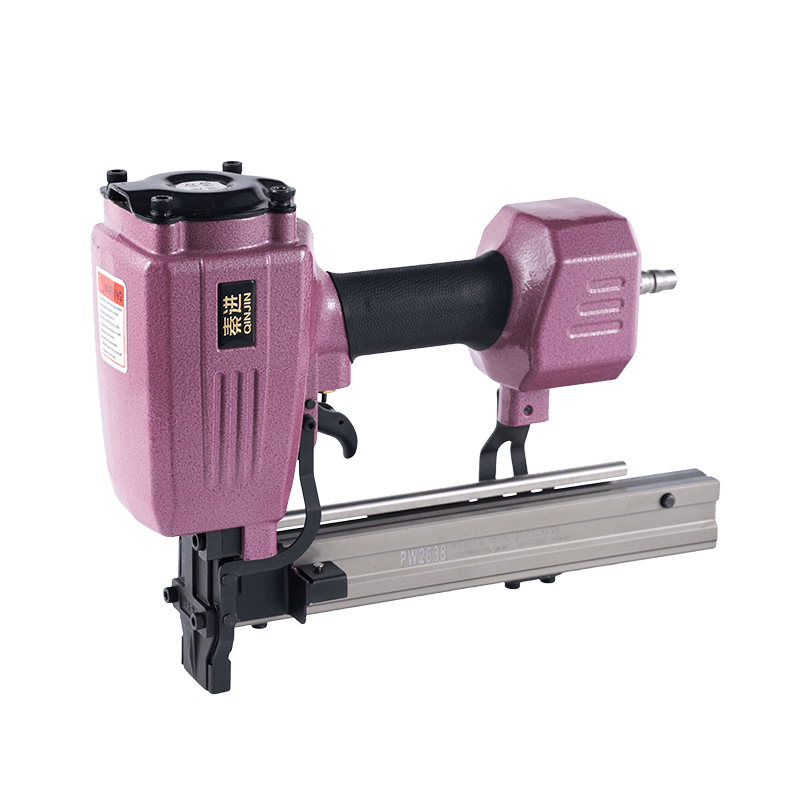
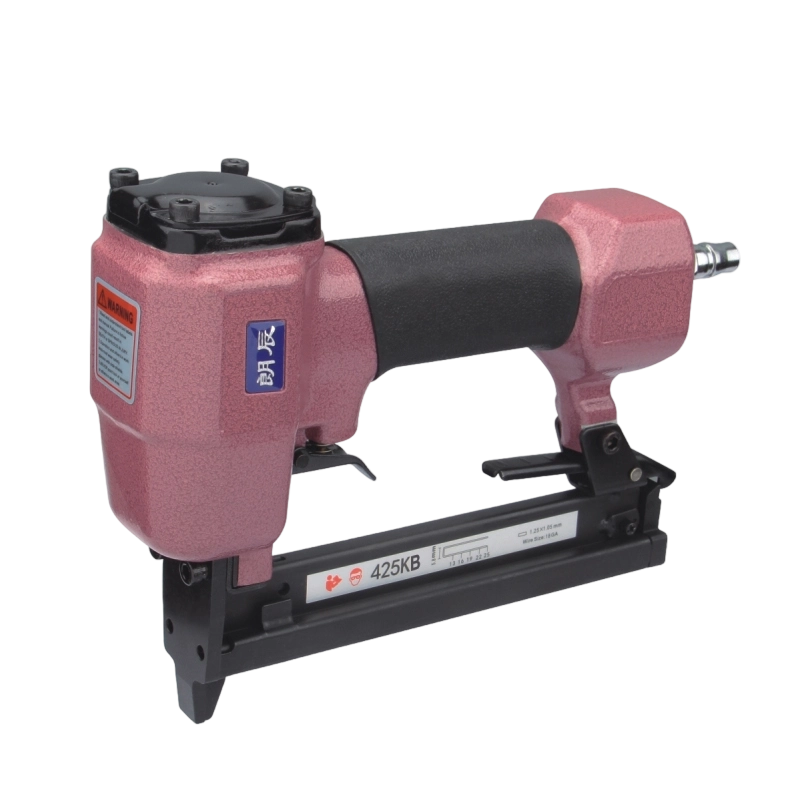
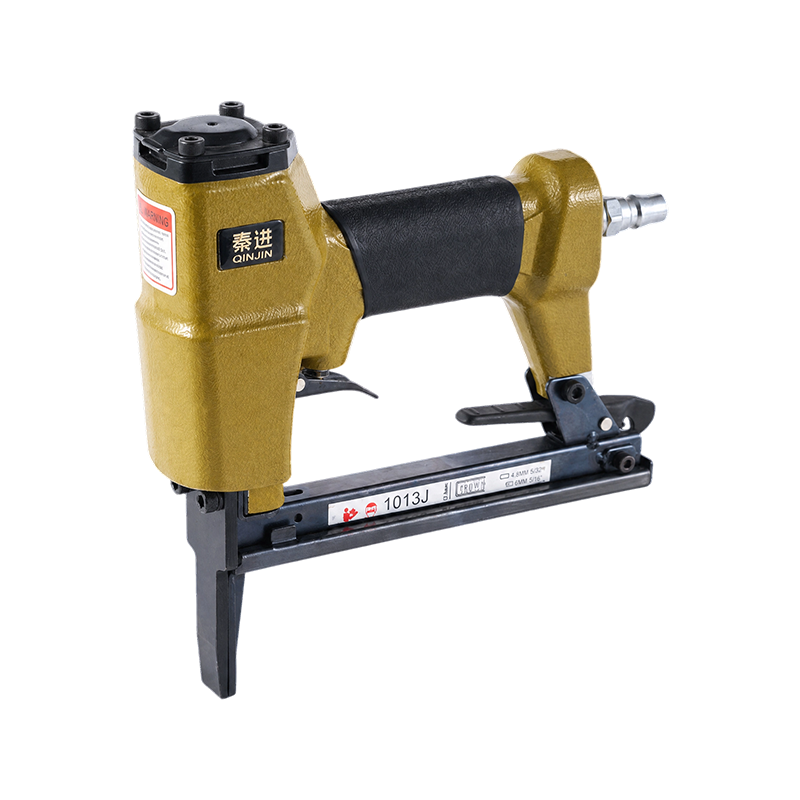
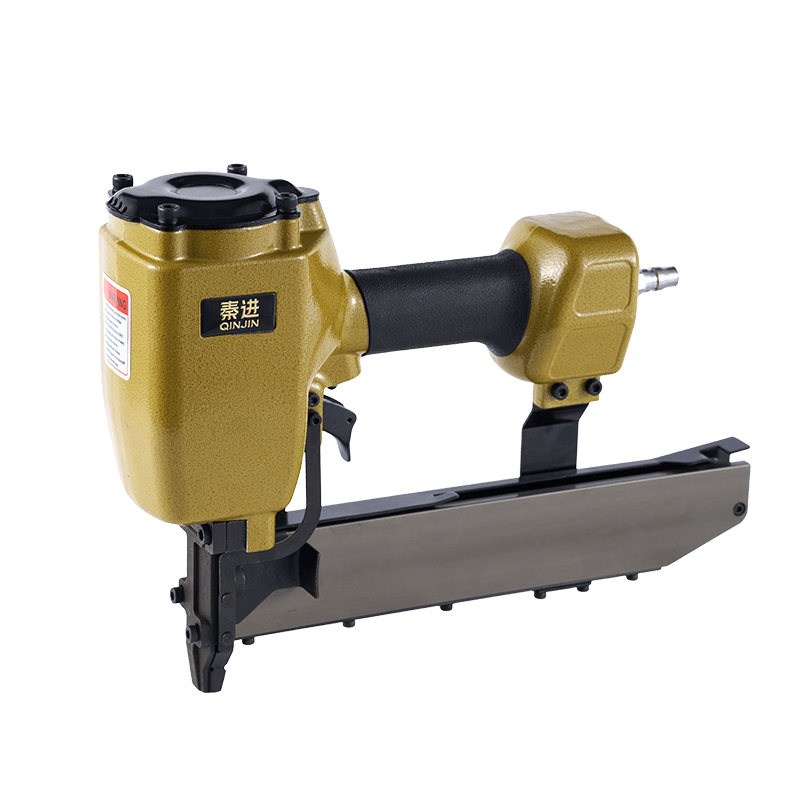
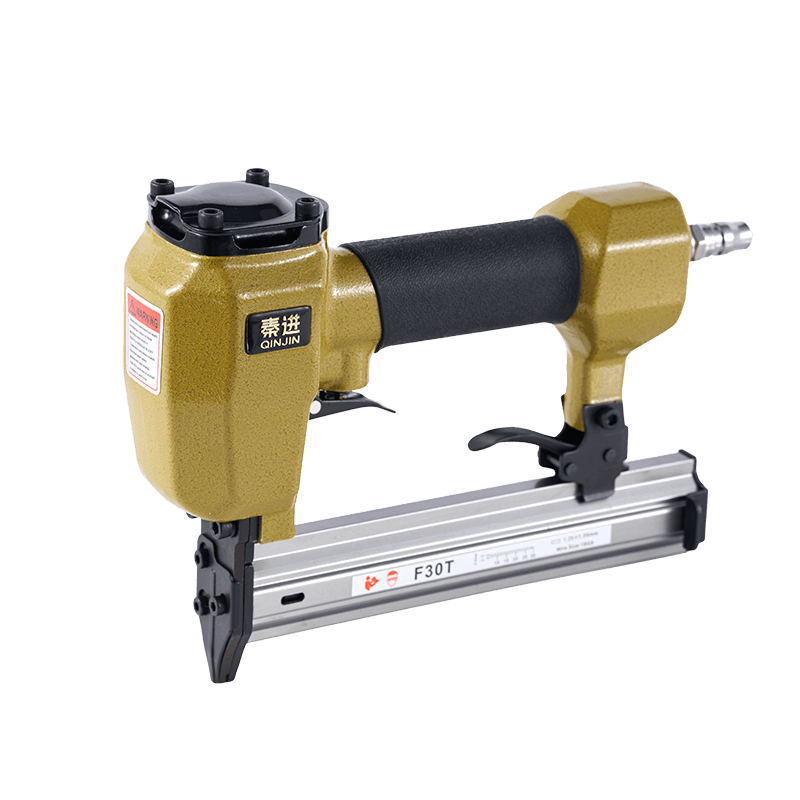
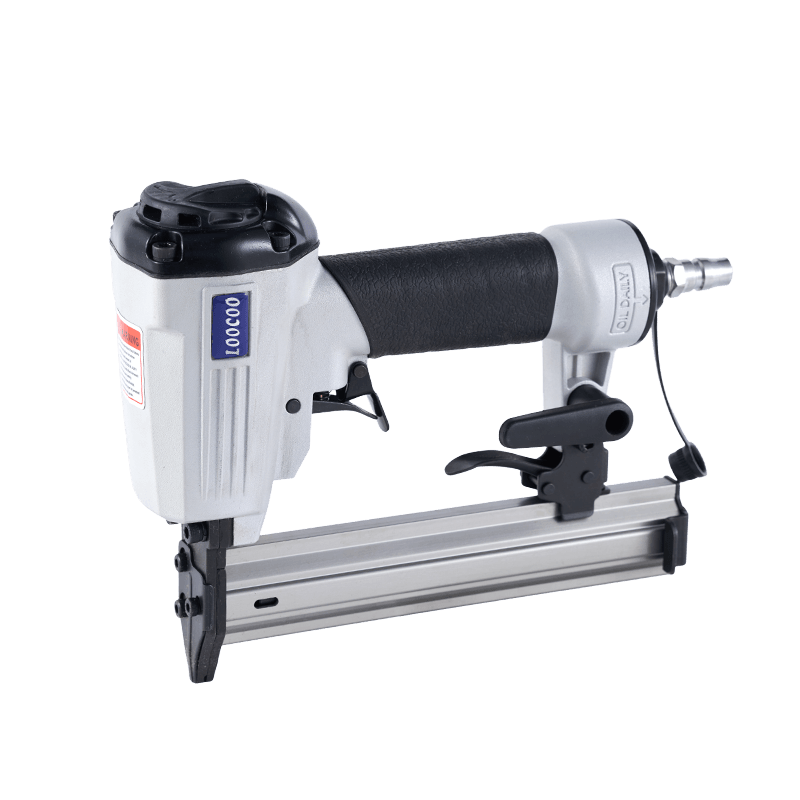
Furniture manufacturing involves repeated fastening work across cabinets, drawers, frames, panels, and decorative components. An Air Nailer And Stapler can support these processes by using compressed air to drive nails or staples into suitable materials.
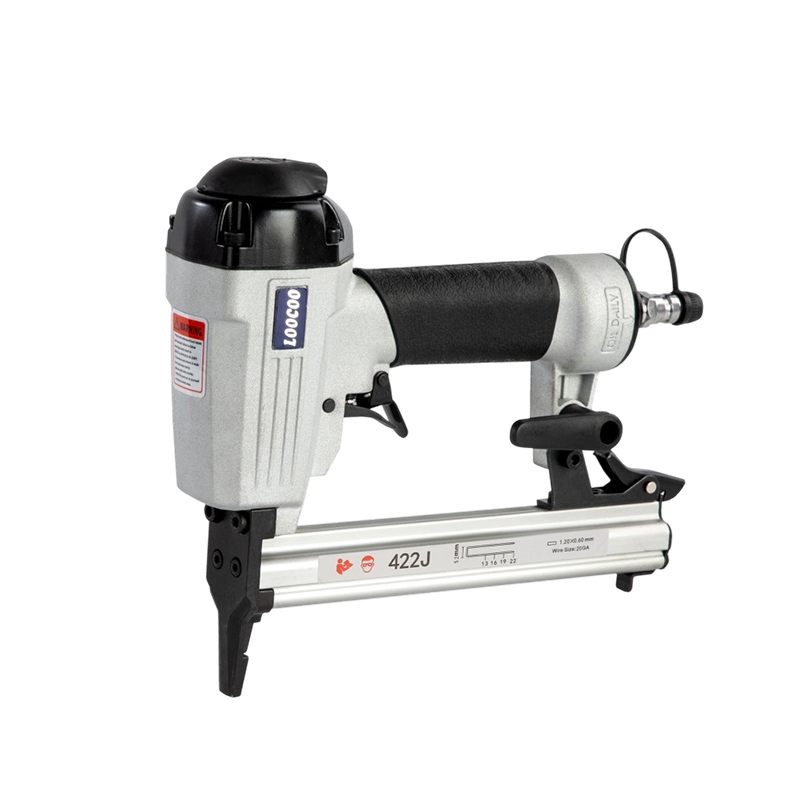
The tool combines a pneumatic driving mechanism with a magazine designed for compatible fasteners. Depending on the model, the equipment may support nail fastening, staple fastening, or both. This makes the tool useful for workshops handling different assembly tasks during the same production process.
For furniture manufacturers, tool selection should relate closely to the materials being processed, fastening method, work area, and type of production. A tool designed for one application may not be suitable for every furniture component, so understanding the working requirements remains important.
Cabinet and Drawer Assembly
Cabinet production often requires fastening wooden panels, support sections, frames, and internal components. An Air Nailer And Stapler can assist with selected joints where pneumatic fastening is appropriate.
During cabinet assembly, the operator can position the panels, align the edges, and apply fasteners at planned locations. The magazine allows a series of fasteners to remain ready for use, which can support a continuous workflow.
Drawer construction also involves repeated connections between side panels, front sections, rear sections, and bottom structures. The suitable nail or staple depends on the material and joint design.
Fastener selection should take into account material thickness and the desired appearance of the finished furniture.
Wooden Furniture Frames
Wooden chairs, tables, shelves, and storage furniture often contain frame sections that require secure connections. Pneumatic fastening can be used for selected assembly stages where the construction allows this method.
The tool can be useful when several similar fastening points are required. The operator can maintain the tool against the workpiece and activate the trigger according to the equipment instructions.
The shape of the nose can also influence accessibility. Narrow areas may require a tool configuration that allows the operator to reach the intended fastening location without unnecessary movement.
Upholstered Furniture
Stapling equipment has an important role in upholstery work. Fabric, leather, foam coverings, and other textile materials may need to be attached to furniture frames.
An Air Nailer And Stapler can support selected upholstery operations when the staple type and tool configuration are suitable.
The fastening pattern should follow the furniture design. Operators need to consider fabric tension, edge position, staple placement, and the condition of the supporting frame.
A suitable tool can help maintain a consistent working process while allowing the operator to move around the furniture structure.
Woodworking Applications
Beyond furniture production, pneumatic nailers and staplers are used in woodworking environments for wooden boxes, frames, panels, plywood structures, and decorative components.
Wooden box assembly may require fastening along panel edges and frame sections. Plywood projects may involve attaching support strips or connecting structural elements.
Picture frames and decorative woodwork require greater attention to fastening location because visible surfaces can affect the appearance of the finished product.
The selected fastener should match the material and the fastening requirement.
Selecting Nails and Staples
Nail and staple compatibility is an important part of tool selection. The magazine, driver mechanism, and nose should correspond with the fastener specification.
For nails, buyers may examine length, gauge, head style, shank design, material, and collation format.
For staples, crown width, leg length, wire gauge, material, and collation style are relevant factors.
Using an incompatible fastener can result in feeding difficulties, jams, irregular driving, or surface damage.
Material Considerations
Different wood products respond differently to pneumatic fastening. Softwood, hardwood, plywood, and composite boards may require different fastening approaches.
Material thickness also influences nail or staple selection. The fastener should provide suitable penetration while avoiding unwanted protrusion through the workpiece.
For furniture with visible surfaces, the appearance of the fastening point may also influence the choice of fastener.
Workshop Handling
Tool balance, grip shape, trigger location, magazine access, and nose design can affect daily handling.
A workshop that performs repeated fastening tasks may benefit from equipment that is comfortable to position and convenient to reload.
Compressed air equipment should also be suitable for the selected pneumatic tool. The air hose and fittings need to remain secure during operation.
Purchasing Considerations
When selecting an Air Nailer And Stapler for furniture or woodworking, buyers can examine the intended applications, compatible fasteners, pneumatic requirements, magazine structure, nose design, trigger system, grip, maintenance needs, and replacement components.
The right combination of tool and fastener can help create a practical fastening process for furniture assembly, woodworking, upholstery, packaging, and related production tasks.