English
 中文简体
中文简体 عربى
عربى

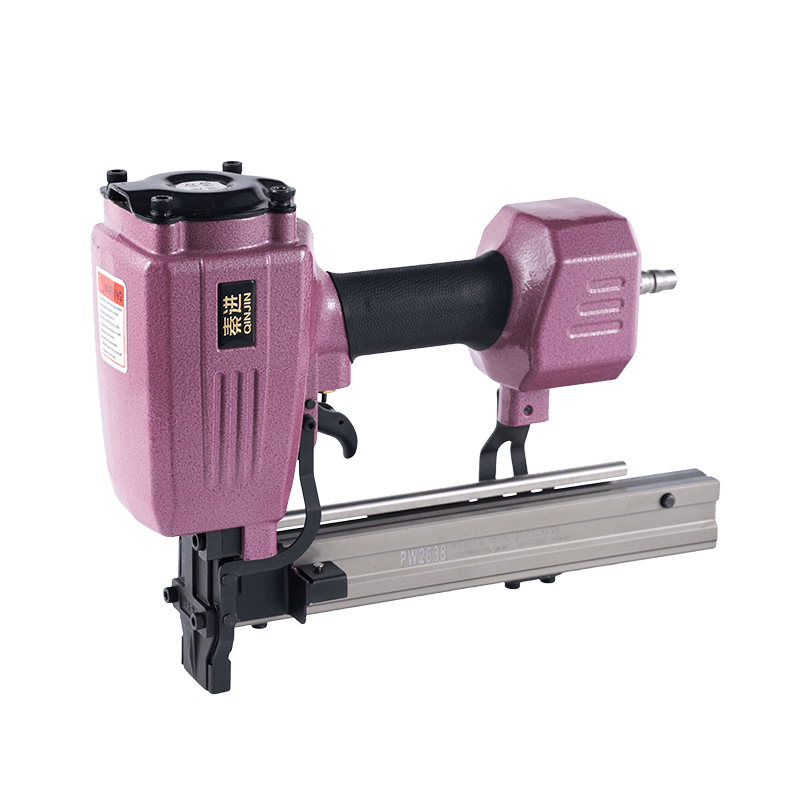
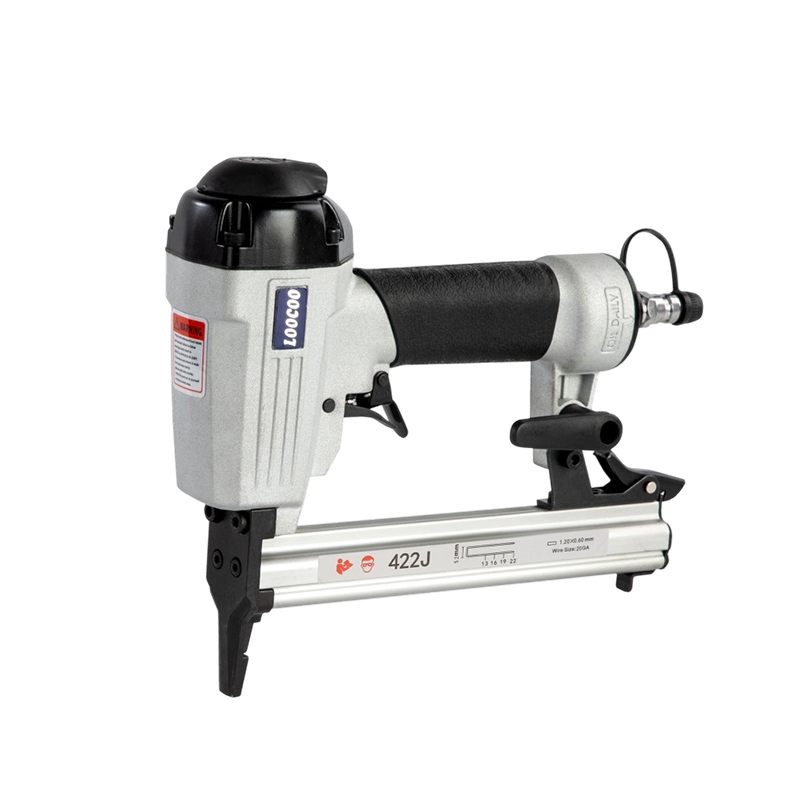
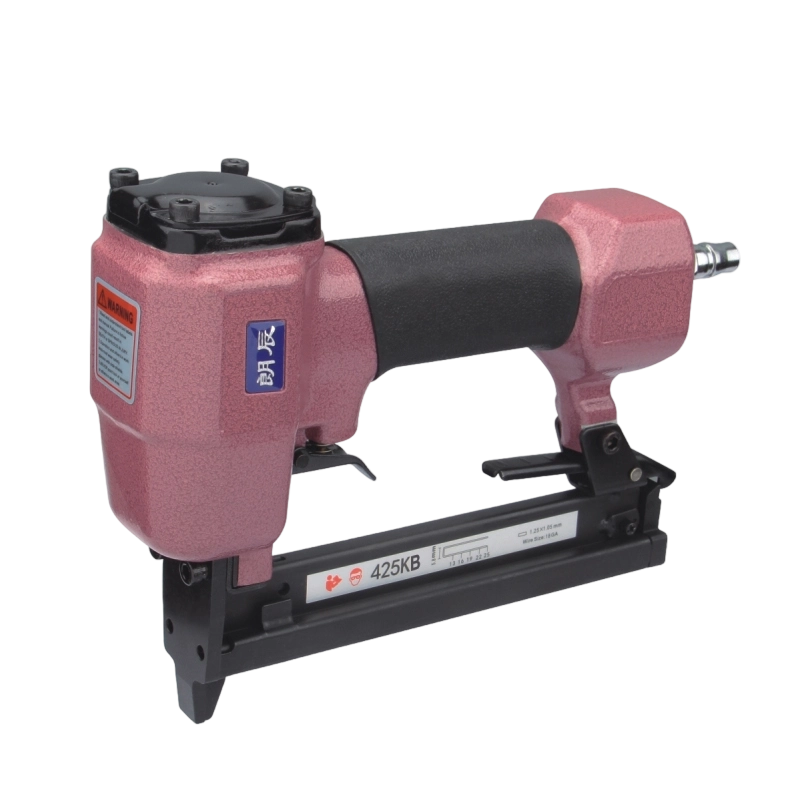
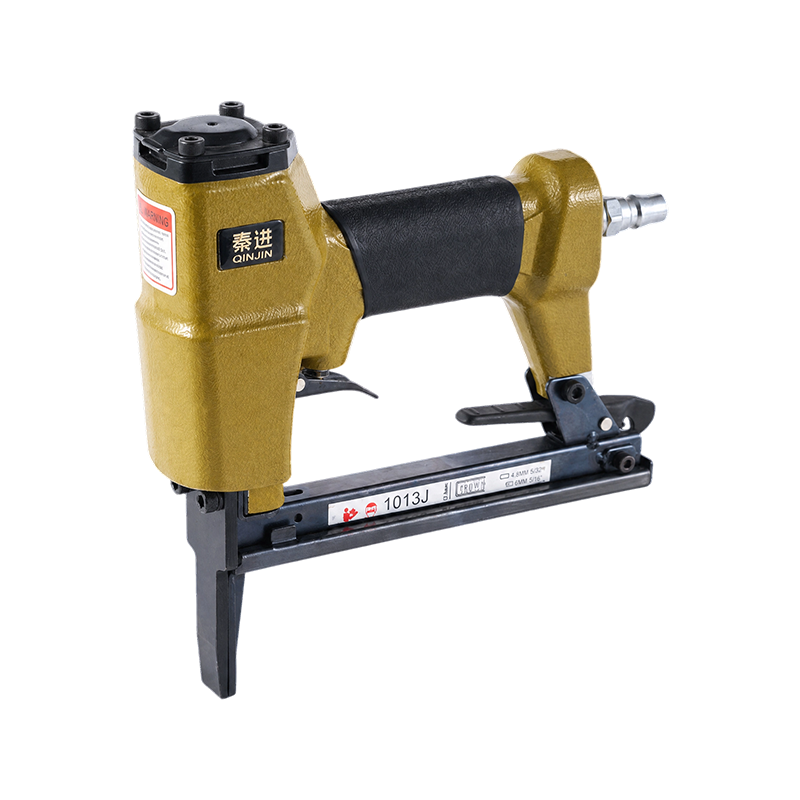
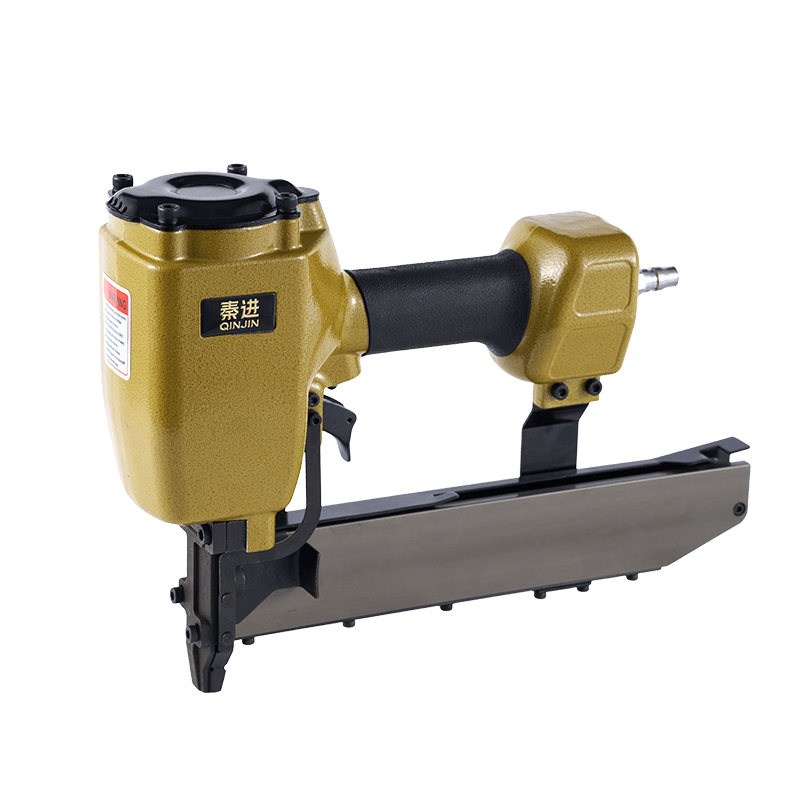
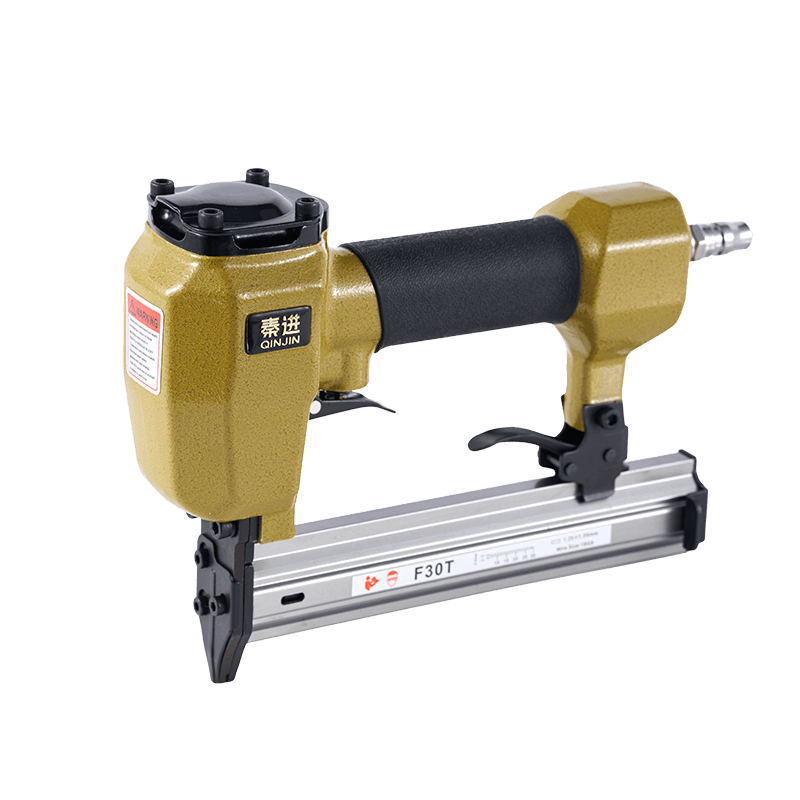
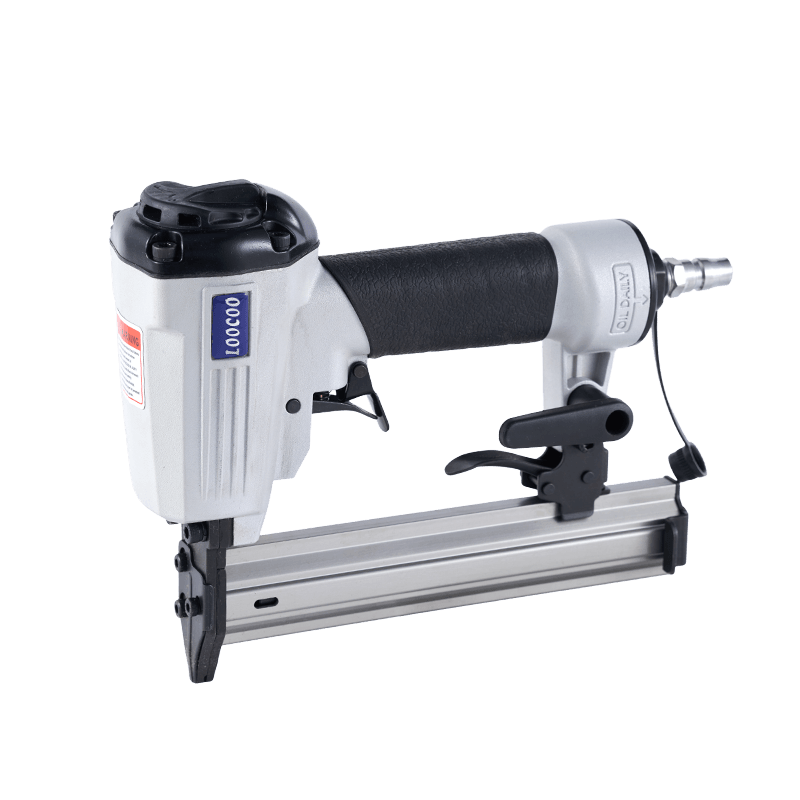
A Pneumatic Straight Nail Gun uses compressed air to operate its fastening mechanism. Its structure combines several components that work together to store, guide, and drive nails into a workpiece.
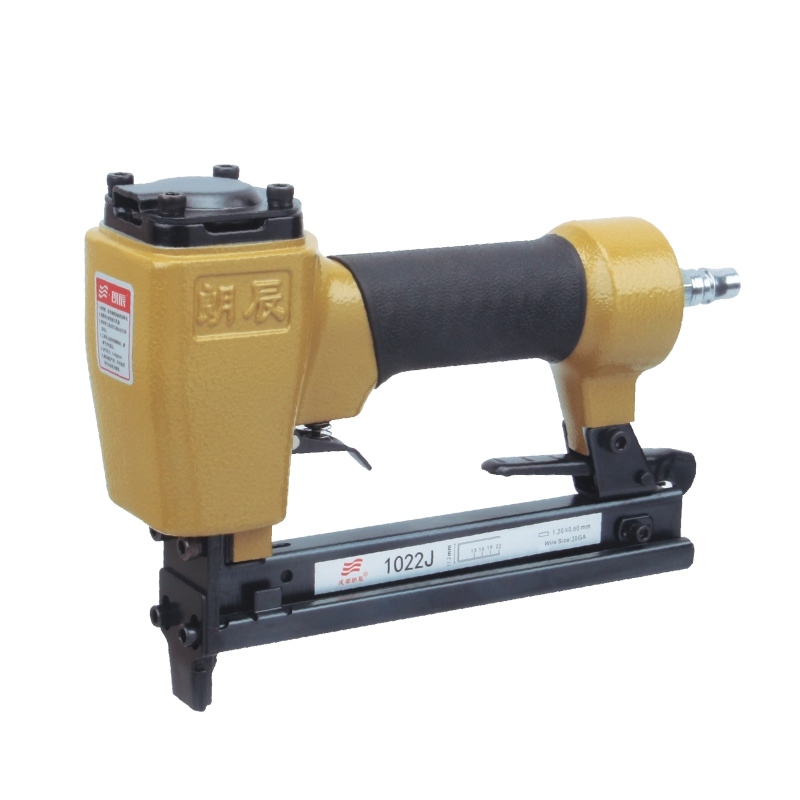
The main body houses the internal mechanism. A magazine stores collated nails, while the nose guides each fastener toward the correct position. The trigger controls activation, and the air inlet connects the tool with an external air source.
For buyers evaluating pneumatic equipment, understanding these components can make it easier to compare different designs and identify suitable maintenance requirements.
Magazine and Nail Feeding System
The magazine is responsible for storing and guiding the nails. Its internal dimensions must correspond with the selected nail format.
A feeding mechanism moves nails toward the driving area. If nails are incorrectly loaded, damaged, or incompatible with the magazine, feeding problems may occur.
A well designed magazine should allow convenient loading and inspection. The operator should be able to identify the remaining fasteners and remove damaged nails when necessary.
Magazine materials also affect durability and handling. Metal construction can provide structural support, while carefully designed surfaces can help guide the fasteners.
Driver Blade and Piston Assembly
The driver blade transfers mechanical force to the nail. Inside a pneumatic tool, compressed air moves the piston, which then activates the driving mechanism.
The driver blade is a wear component because it repeatedly contacts fasteners during operation.
If the driver becomes worn or damaged, the tool may show irregular fastening behavior. Nails may not enter the material correctly, or feeding problems may become more frequent.
Regular inspection can help identify signs of wear before they affect workshop operation.
Trigger and Firing Mechanism
The trigger provides control over the firing mechanism. Different nail guns may use different trigger arrangements depending on their intended application.
The operator should maintain control of the tool and place the nose against the appropriate work surface before activation.
Trigger design can influence handling. A comfortable trigger position may reduce unnecessary hand movement during repeated tasks.
Safety mechanisms may also be incorporated into the nose or trigger system to reduce accidental activation.
Air System Components
The air inlet connects the nail gun with a compressor or other compressed air source.
The fitting needs to match the air hose and connection system. An unsuitable connection can result in leakage or unstable operation.
The air hose should remain in good condition. Cracks, damaged sections, or loose fittings can affect the air supply.
Operating pressure should follow the tool specification. Excessive or insufficient pressure can influence nail driving and component wear.
The compressor should also provide suitable air delivery for the selected equipment and working conditions.
Nose Design
The nose is the section that contacts or approaches the workpiece during fastening.
A well designed nose can help guide the nail toward the intended location. Some tools use an open nose structure that allows easier visual inspection around the fastening area.
An accessible nose can also help operators identify and clear jammed fasteners.
The shape of the nose should correspond with the intended work. Furniture assembly, cabinet construction, and narrow woodworking areas may require different handling characteristics.
Tool Body and Housing
The housing protects the internal components and provides the main gripping surface.
Materials used for the housing should provide suitable mechanical support while keeping the tool manageable during operation.
Grip design is also important. A textured or shaped handle can help the operator maintain control.
Tool balance can influence repeated use. A well distributed structure may make it easier to position the nose accurately.
Internal Sealing Components
Pneumatic tools rely on sealing components to retain compressed air inside the operating system.
O-rings and other seals can experience wear over time. Air leakage around the body or fittings may indicate that inspection is needed.
Replacing worn sealing components can help restore normal pneumatic operation when the tool design permits service.
Lubrication requirements should also be followed according to the equipment instructions.
Parts Inspection
Regular inspection can cover the magazine, driver blade, nose, trigger, air inlet, seals, and external housing.
The magazine should be checked for damage or deformation. The driver blade should be inspected for wear. The nose should remain free from debris and damaged nails.
Air connections should also be checked before operation.
Design Considerations for Buyers
When evaluating a Pneumatic Straight Nail Gun, buyers can examine magazine construction, nail compatibility, driver mechanism, nose access, trigger design, air connection, housing materials, grip, and replacement part availability.
A clear understanding of the internal structure can also help maintenance teams prepare suitable inspection procedures and replacement components for regular workshop use.