English
 中文简体
中文简体 عربى
عربى

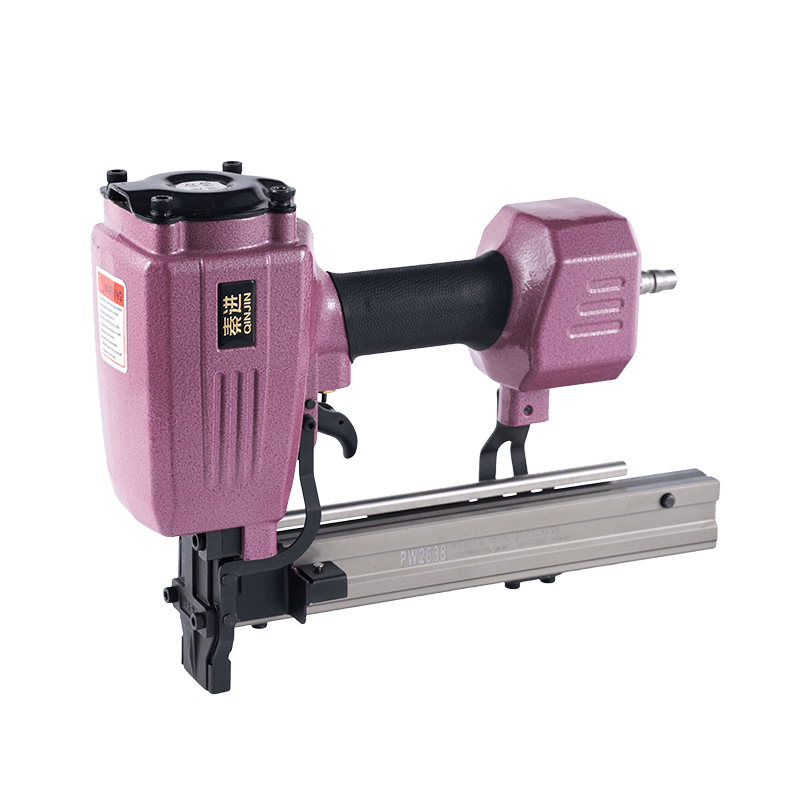
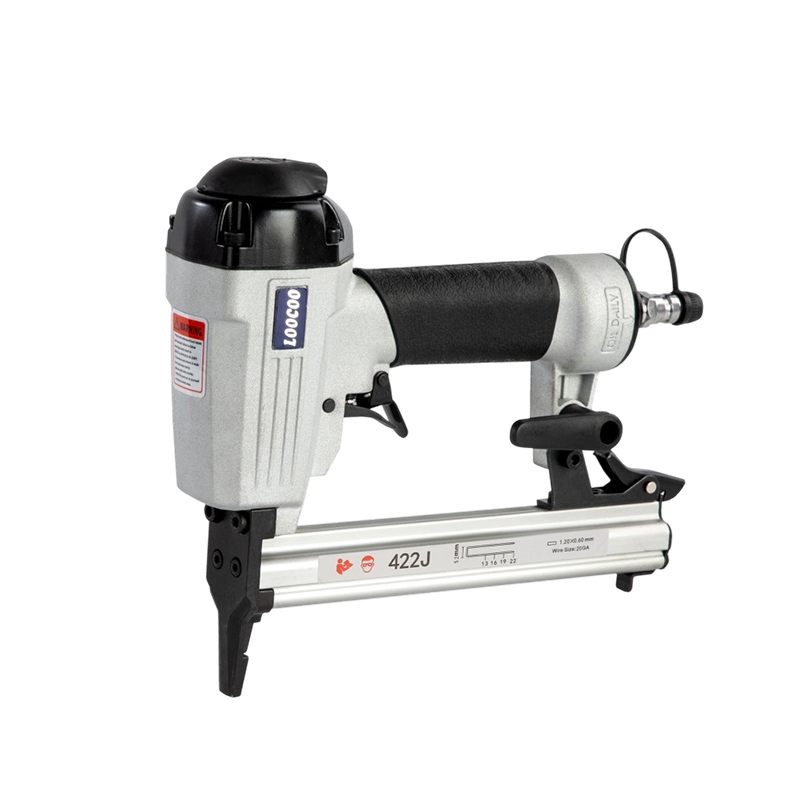
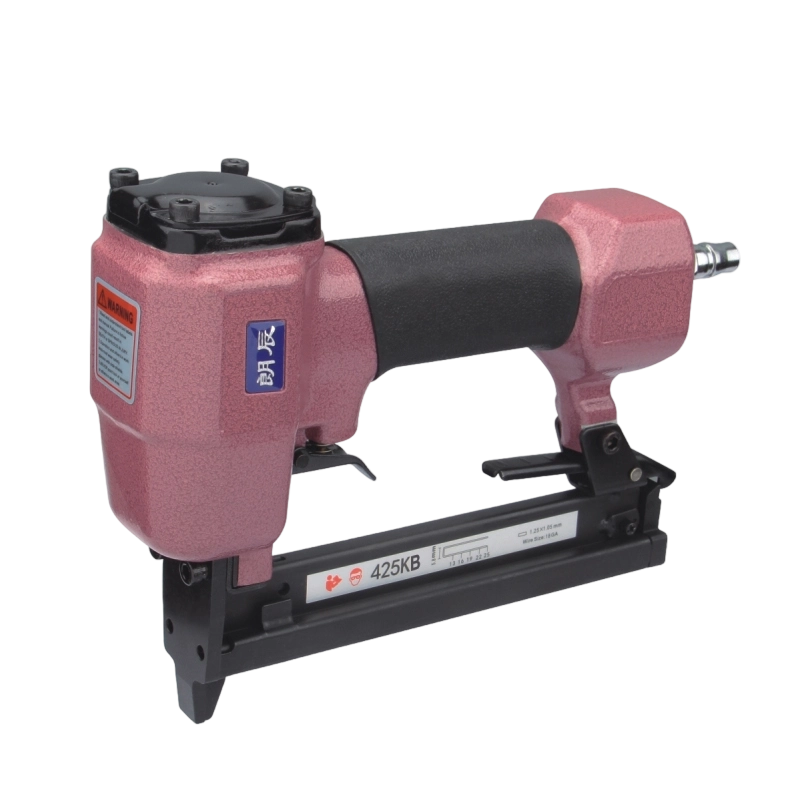
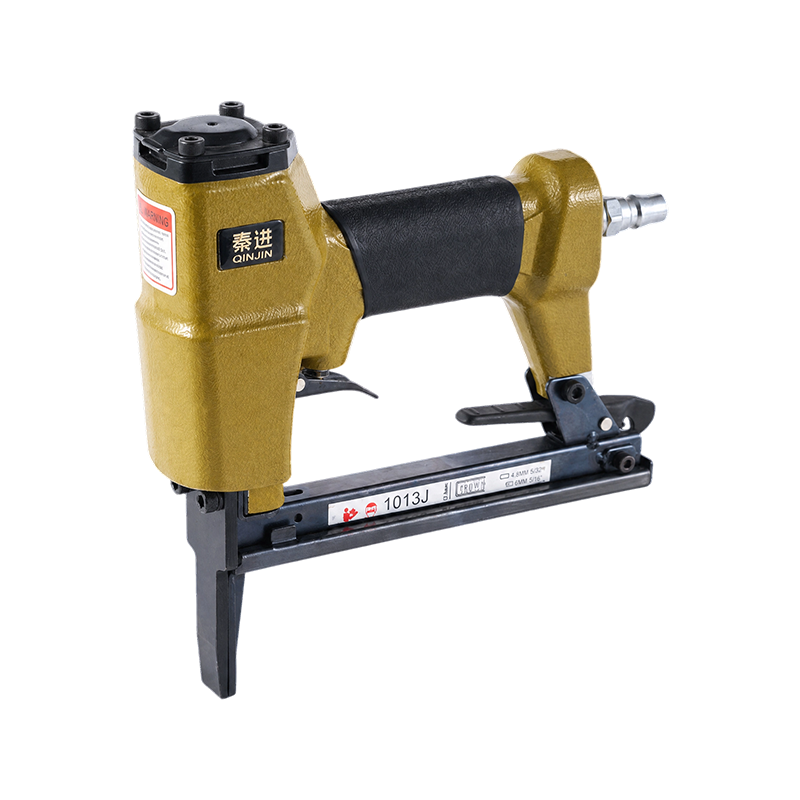
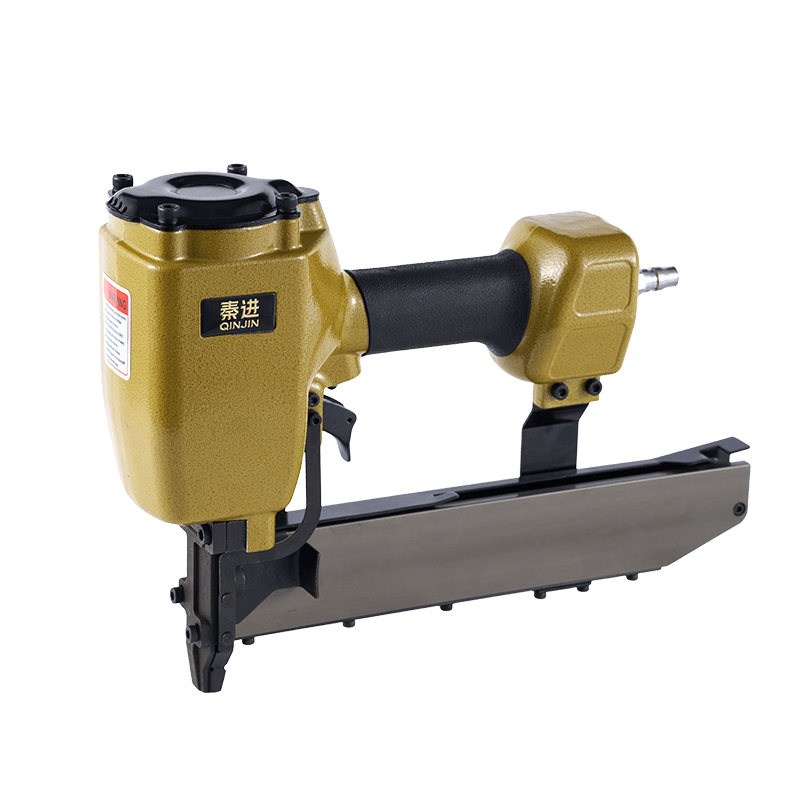
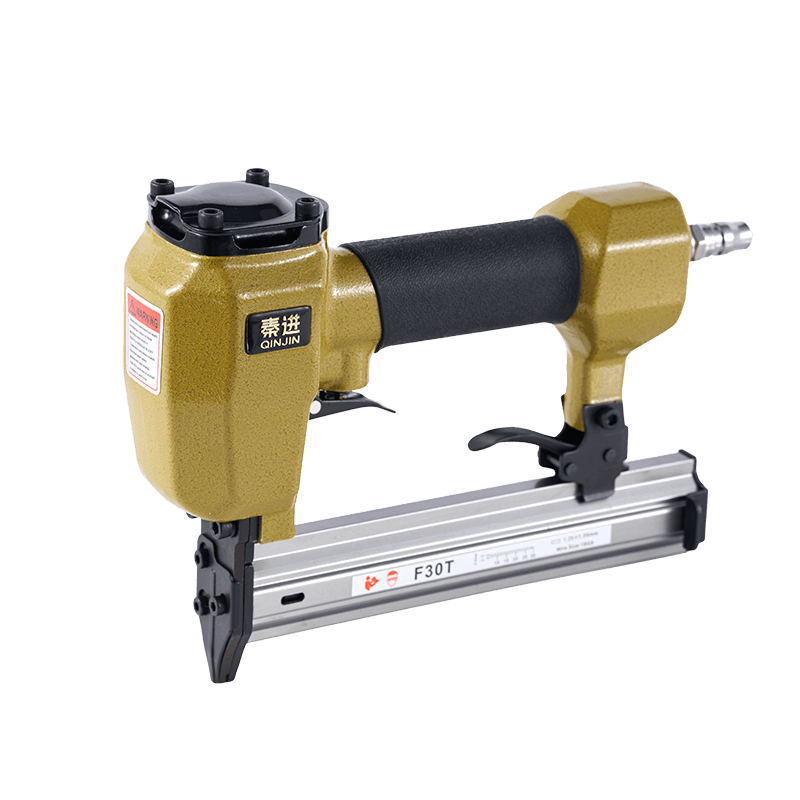
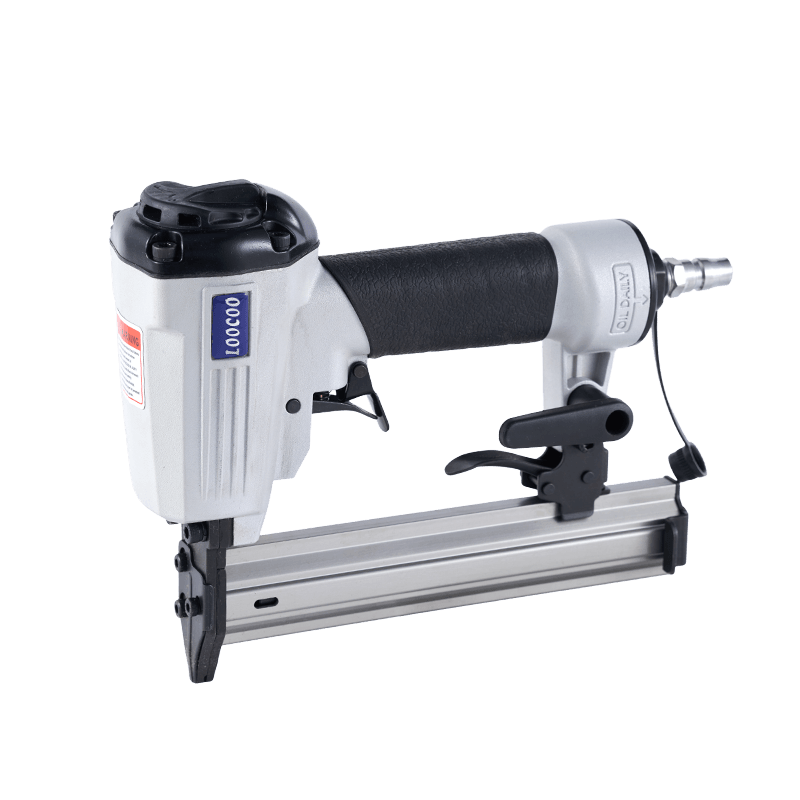
A Straight Nail Gun is a practical fastening tool for many woodworking tasks. It can help secure wooden components during furniture assembly, cabinet construction, box production, interior decoration, and other workshop operations. Compared with manual fastening methods, a nail gun can provide a more direct working process when repeated fastening is required.
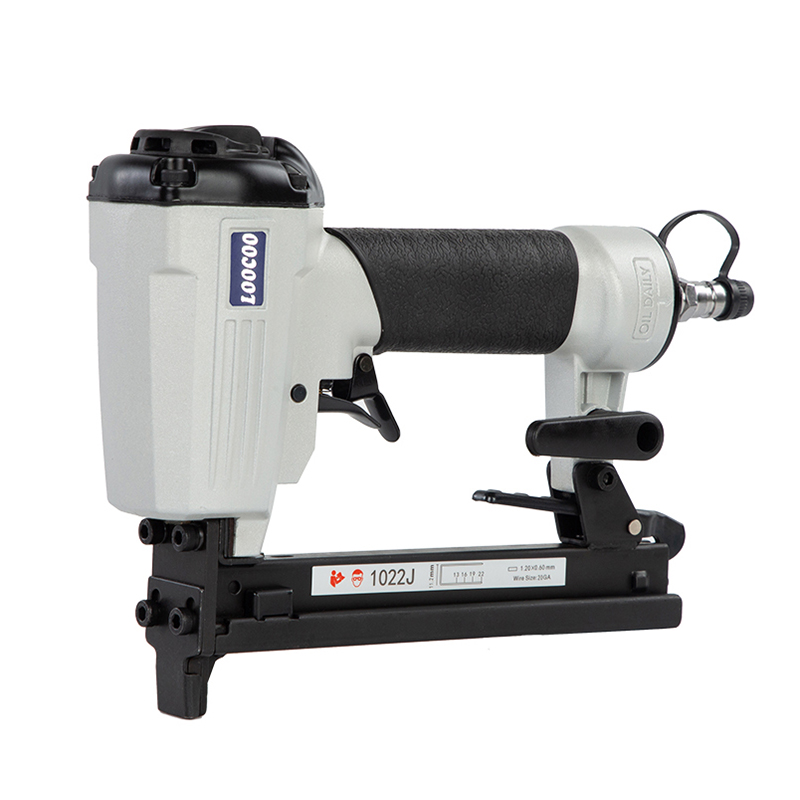
The tool is commonly used with straight collated nails. The nail magazine stores the fasteners and guides them toward the driving mechanism. When the trigger is activated, the internal mechanism drives the nail into the workpiece.
For woodworking professionals and purchasing teams, the choice of tool should be based on the material, nail specification, work environment, production process, and required handling method.
Furniture Manufacturing Applications
Furniture production includes many components that need secure connections. Cabinets, drawers, wooden frames, shelves, chairs, tables, and decorative parts may require different fastening approaches.
A Straight Nail Gun can be used for selected joints where straight nails are suitable. It can support the assembly of wooden panels and smaller structural parts.
Cabinet production may involve repeated fastening along edges and connecting areas. A compact nail gun can allow operators to work around corners and narrow sections.
Drawer construction is another possible application. The tool can help attach selected wooden components while maintaining a relatively clean exterior surface.
For upholstered furniture, nail guns can also be used during frame assembly where the construction allows this fastening method.
Wooden Boxes and Packaging
Wooden boxes require secure connections between panels, frames, and support sections. A Straight Nail Gun can help assemble these components during workshop production.
The tool can also be used for selected packaging structures made from wood or plywood. Operators can position the panels, align the edges, and apply fasteners through designated areas.
The nail size should correspond with the thickness and type of wood. Excessively long nails may pass through the material, while unsuitable short nails may not provide adequate fastening.
Picture Frames and Decorative Woodwork
Picture frames require careful handling because the visible surface can be affected by fastening.
A suitable Straight Nail Gun can help connect frame components from selected angles or positions. The fastening point should be planned so that the exterior appearance remains clean.
Decorative panels and small wooden structures can also benefit from pneumatic fastening when the design allows it.
The tool should be held steadily against the workpiece before activation. This helps keep the nail aligned with the intended fastening area.
Plywood and Composite Boards
Plywood is commonly used in furniture, cabinets, packaging, and interior projects. Its layered construction can require careful nail selection.
Composite boards may have different density and surface characteristics. Buyers should check whether the selected nail gun and fasteners are suitable for the board being processed.
The nail length, gauge, driving force, and surface condition all influence the fastening result.
Pneumatic Straight Nail Guns
Pneumatic models use compressed air to operate the internal driving mechanism. They are commonly connected to an air compressor through a hose and fitting.
This type of tool can be suitable for workshops where compressed air equipment is already available.
Air pressure should follow the requirements specified for the particular tool. Using an unsuitable pressure setting may affect operation and can create unnecessary wear.
The hose should also be positioned so that it does not interfere with the operator or workpiece.
Electric and Cordless Options
Electric and cordless nail guns provide alternatives for environments where compressed air is less convenient.
Cordless equipment can provide greater freedom of movement around a workshop or jobsite. Electric models can be useful where a suitable power connection is available.
Each power format has different handling requirements. Buyers should consider working location, operating time, maintenance needs, tool weight, and access to power or compressed air.
Matching the Tool With Materials
Material selection is an important part of nail gun purchasing.
Softwood, hardwood, plywood, and composite boards may require different nail specifications and driving conditions. The nail must enter the material securely without causing unnecessary surface damage.
Material thickness also affects nail length. Buyers should examine the combined thickness of the components being joined and select compatible fasteners.
Workshop Handling
Ergonomics can influence daily operation. Grip shape, trigger position, tool weight, magazine access, and nose design can all affect handling.
A workshop tool should allow operators to position the gun accurately without unnecessary adjustment.
Easy magazine loading can also support a smoother workflow when repeated fastening is required.
Choosing a Straight Nail Gun
When selecting a Straight Nail Gun for furniture or woodworking, buyers can examine nail compatibility, power source, magazine design, nose structure, grip, trigger configuration, maintenance requirements, and intended materials.
The tool should correspond with the actual fastening process rather than being selected only according to appearance. A clear understanding of the application can help purchasing teams choose a suitable configuration for workshop operations.