English
 中文简体
 عربى


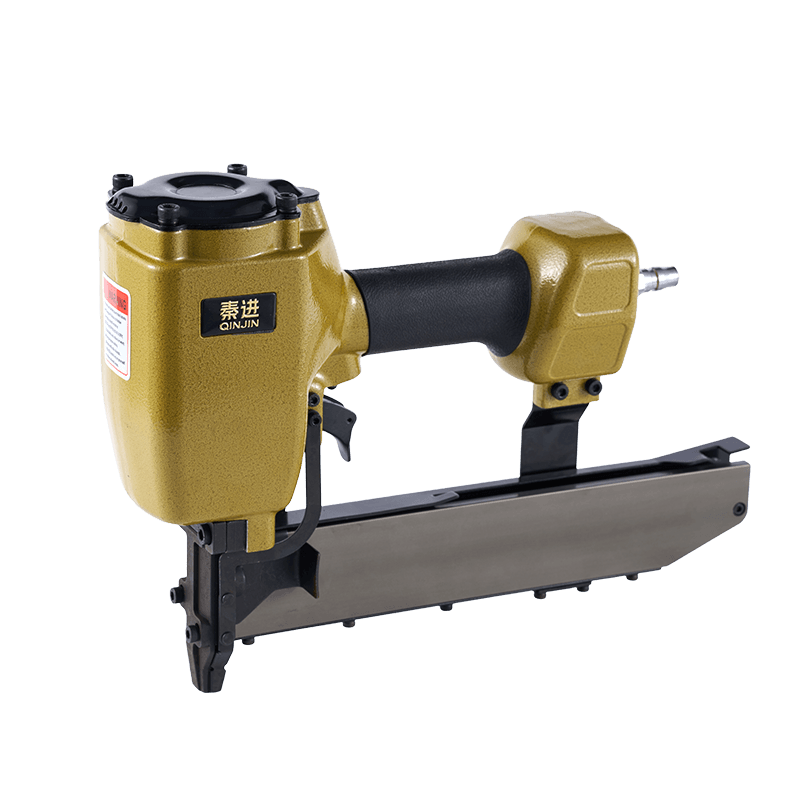
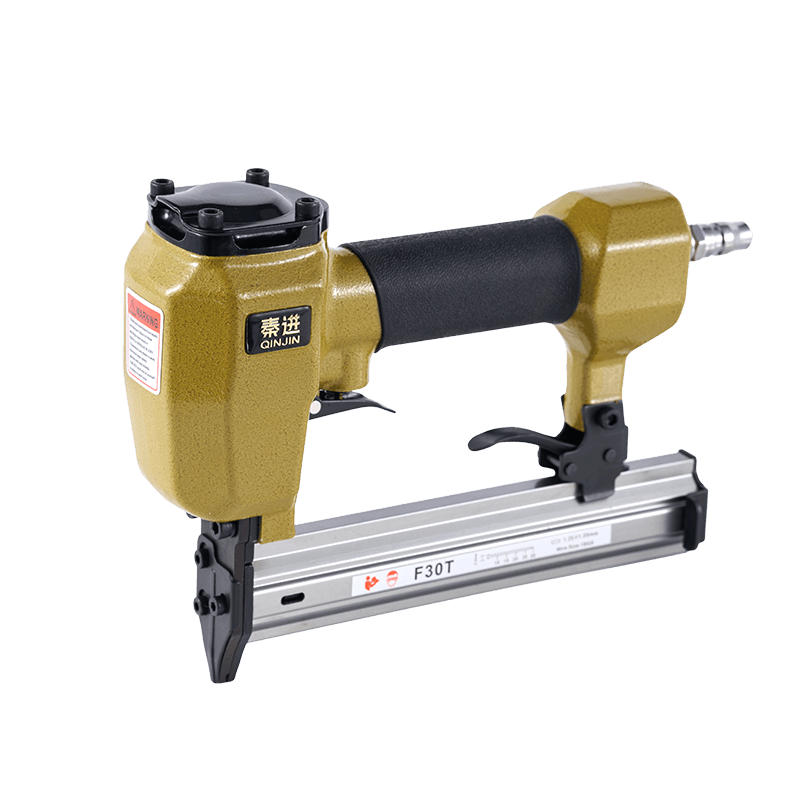
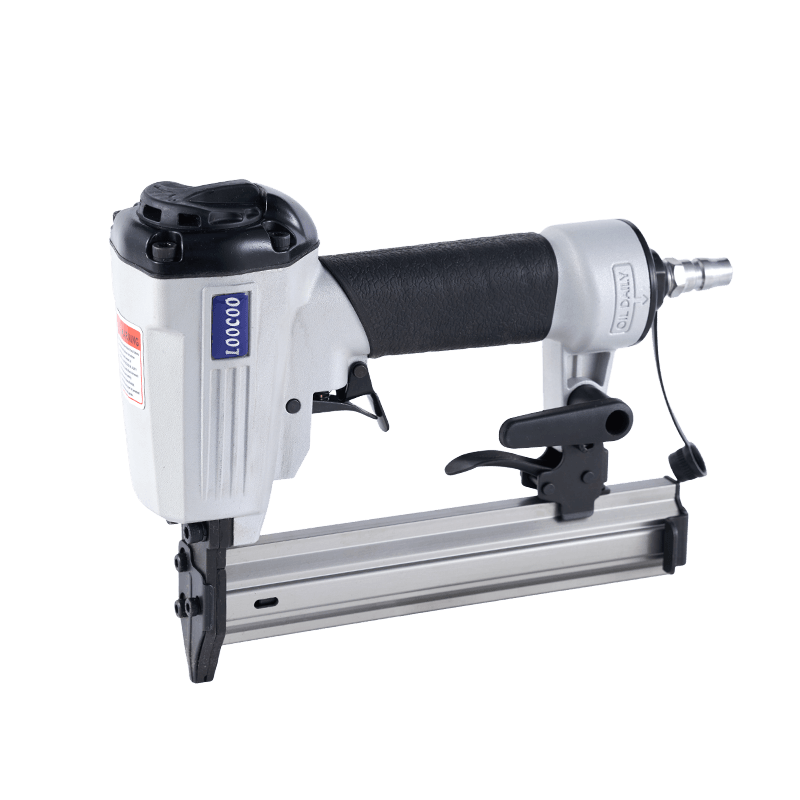
Choosing suitable staples is closely connected with the performance of an Air Operated Staple Gun. Different materials require different staple dimensions, shapes, and holding characteristics. The staple needs to pass through the attached material and enter the supporting surface without causing unnecessary damage.
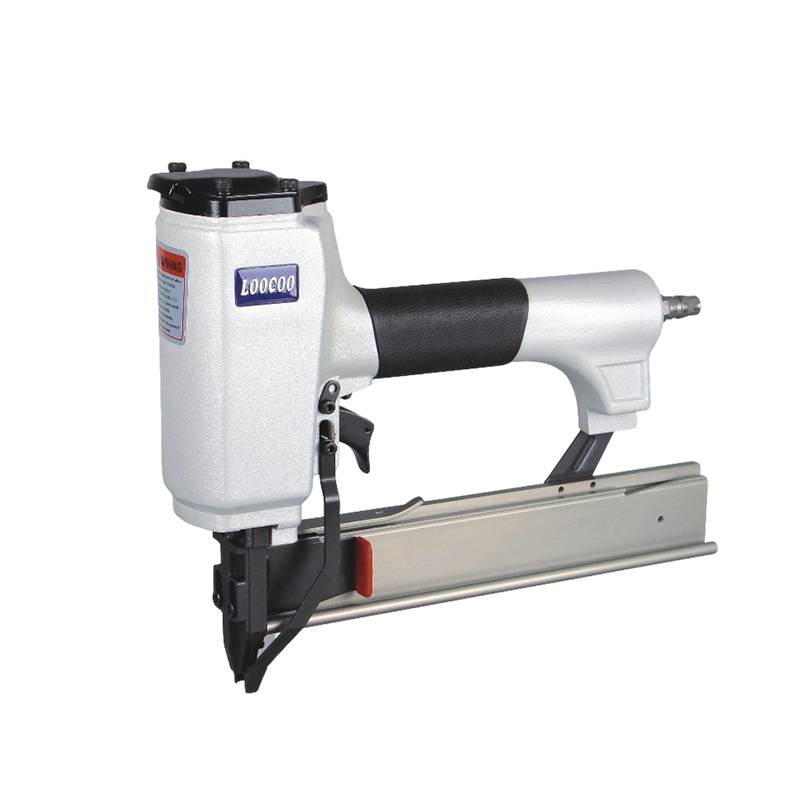
Staple gauge describes the thickness of the staple wire. A finer wire can work well for fabric and upholstery because it can provide fastening while leaving a relatively small mark on the visible surface. Heavier wire may be suitable for applications involving thicker or firmer materials.
Crown width is another consideration. The crown is the part of the staple that remains across the surface after driving. Different crown designs distribute pressure across different areas. Narrow crown staples can suit applications where a smaller visible fastening area is preferred, while wider crowns may provide broader contact with the attached material.
Staple length should also correspond with the thickness of the material assembly. A staple that is too short may not provide sufficient holding depth, while an unsuitable longer staple may pass through the supporting material. The correct selection depends on the workpiece construction and the specifications of the stapler.
Staples for Upholstery and Fabric
Upholstery is a common application for pneumatic staplers. Fabric needs to be secured firmly to furniture frames while maintaining a clean appearance. Fine wire staples are often considered for upholstery because their smaller profile can reduce visible marks on fabric.
Staple length should reflect the number of fabric layers, padding, and supporting material. When several layers are folded together, the fastening point may require a different staple length than a simple single-layer attachment.
Fabric characteristics also matter. Delicate materials can react differently to fastening pressure than thick upholstery textiles. The crown should hold the fabric without cutting into it excessively. Testing the selected staple on a sample section can help determine whether the fastening result is suitable for the intended material.
Furniture frames often use wood as the supporting surface. The selected staple therefore needs to work with both the upholstery material and the frame. An Air Operated Staple Gun can provide repeated fastening action while the operator moves around the frame.
Staples for Wood and Other Materials
Wooden frames, cabinet components, backing materials, and decorative elements can require different staple specifications. When fastening thin materials to wood, the staple needs to provide sufficient penetration while keeping the attached layer in place.
Insulation materials may also be secured with pneumatic stapling equipment. Some applications involve attaching a flexible layer to wood or another structural surface. In such cases, the staple crown and wire shape should correspond with the material's surface characteristics.
Packaging work provides another example. Corrugated materials, protective sheets, labels, and lightweight components may require fastening methods that differ from furniture applications. The staple specification should be selected according to the construction of the package and the required holding effect.
Checking Tool and Staple Compatibility
Staple compatibility should always be checked before operation. Air operated staplers are designed around particular staple series, sizes, and magazine configurations. Two staples may look similar but have different dimensions that prevent proper feeding.
The magazine should accept the selected staple without excessive movement. Staples should also advance smoothly toward the driving mechanism. If the staple does not sit correctly, the driver may fail to engage it properly.
Manufacturer specifications provide useful information about compatible staple series, dimensions, materials, and recommended applications. Checking these details before purchasing staples can reduce the risk of jams and damaged components.
For buyers sourcing pneumatic stapling equipment, staple availability should also be considered. A tool may perform well for a particular application, but ongoing work depends on access to compatible staples. Matching the Air Operated Staple Gun with the required staple supply can help create a practical fastening system for upholstery, woodworking, furniture assembly, packaging, and workshop production.