English
 中文简体
中文简体 عربى
عربى

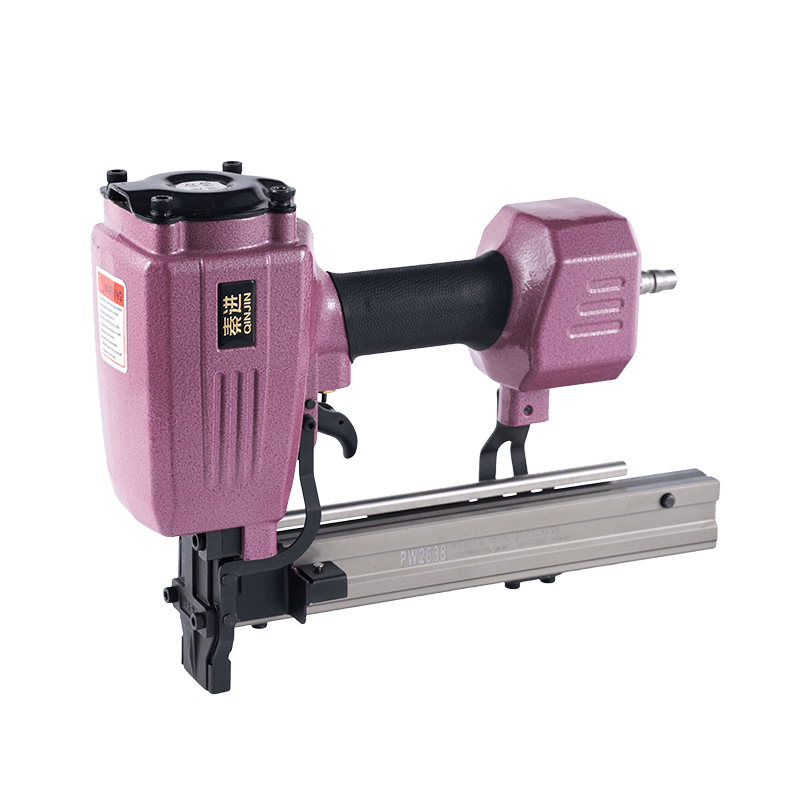
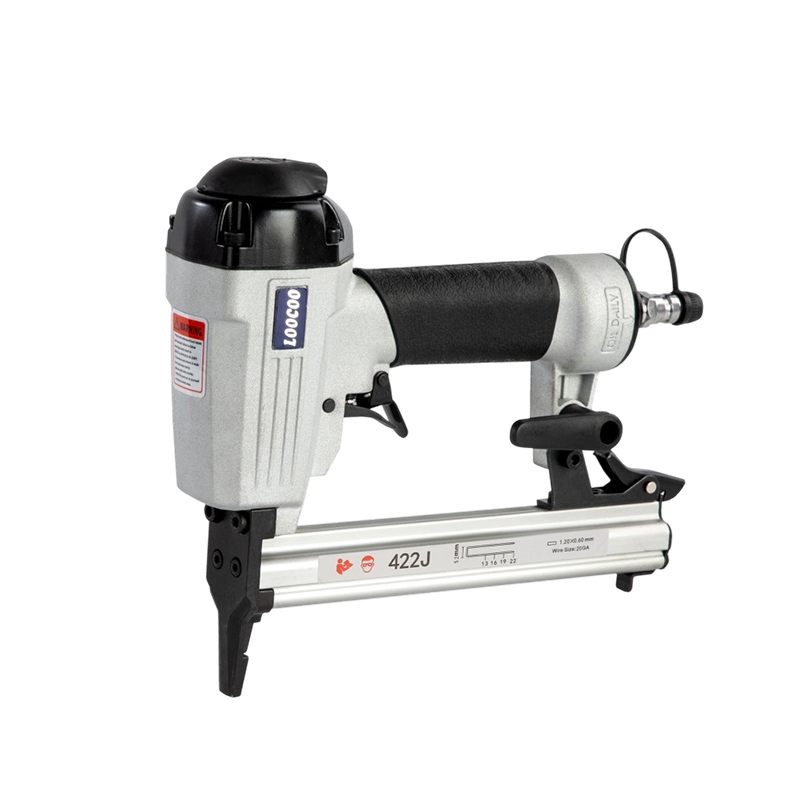
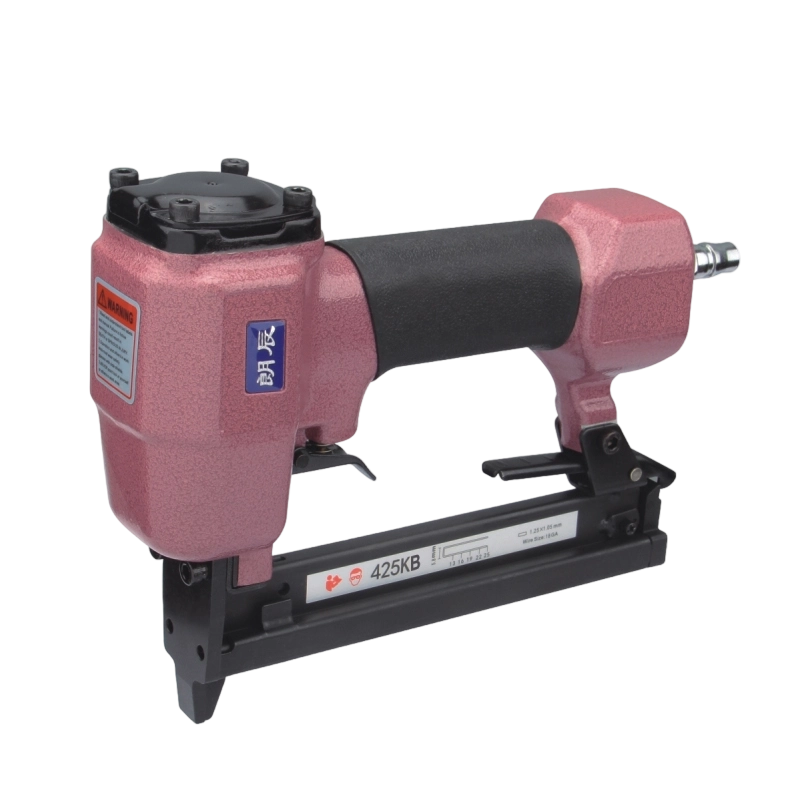
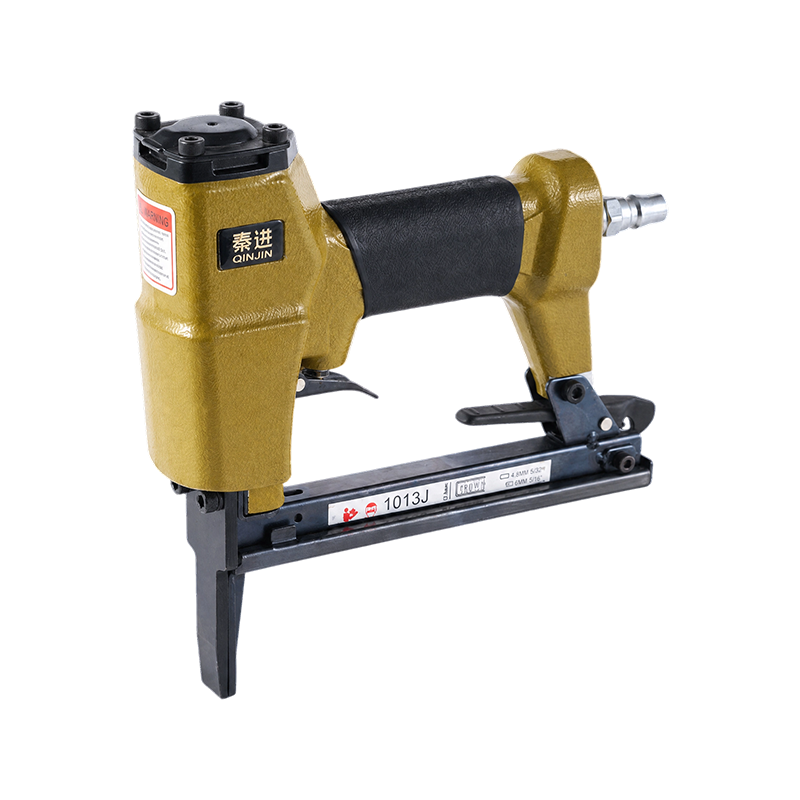
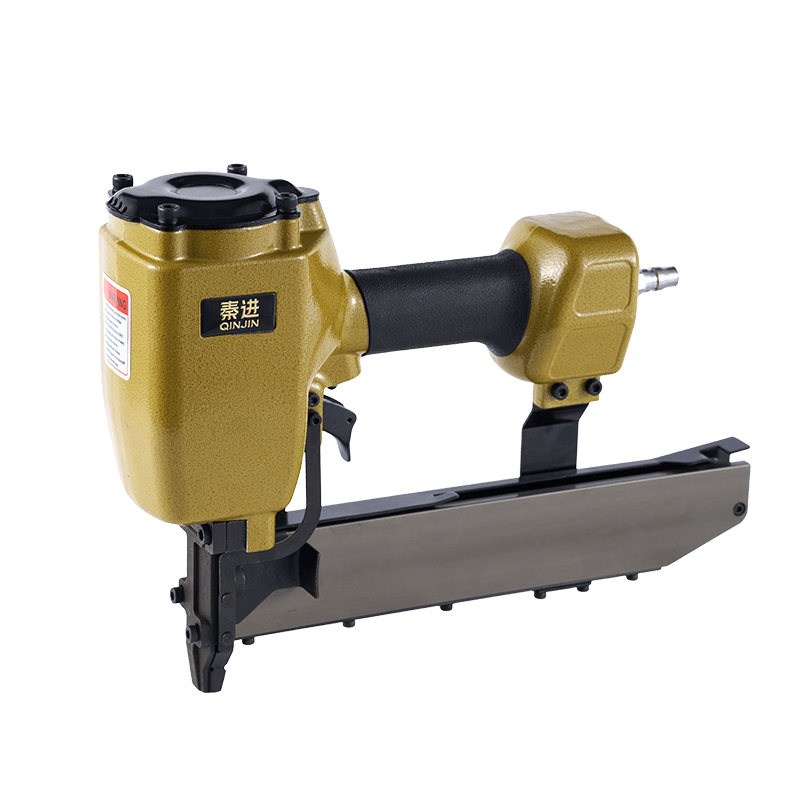
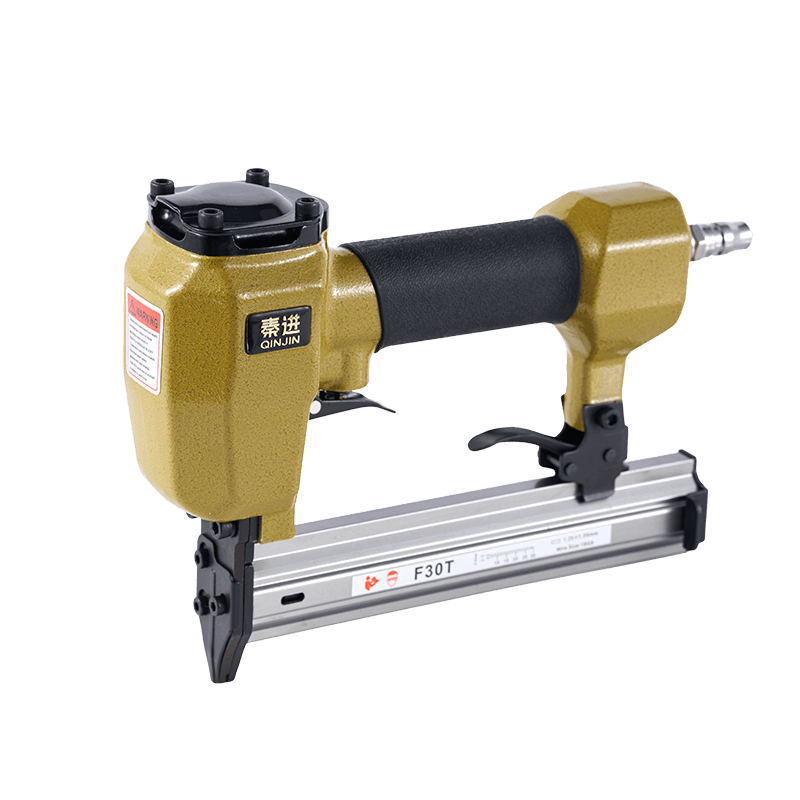
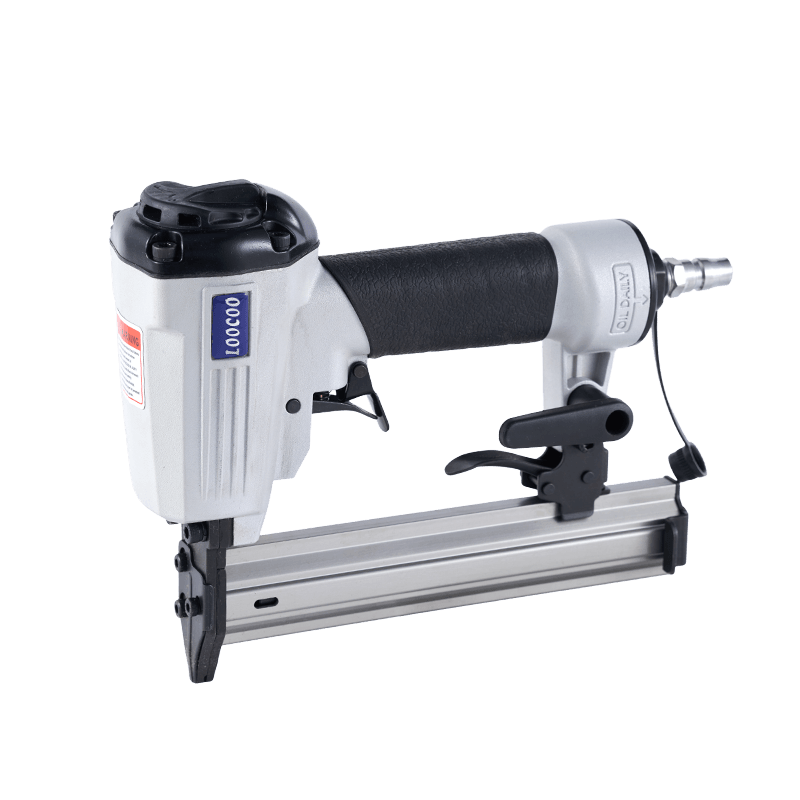
An Air Operated Staple Gun uses compressed air to drive staples into a selected material. Instead of relying on hand pressure or an electric motor, the tool receives power from an external air source. When the trigger is activated, compressed air moves an internal piston or driving mechanism, allowing the staple to pass through the material and enter the supporting surface.
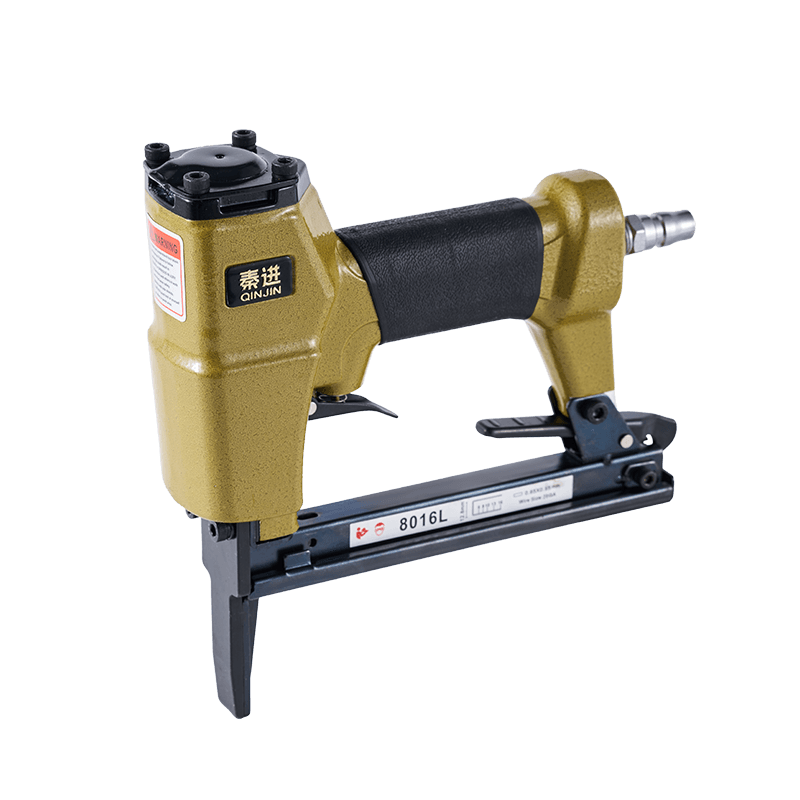
This working principle makes pneumatic stapling useful for jobs that require repeated fastening. The operator can position the tool, activate the trigger, and continue along the workpiece without manually pushing each staple into the material. This can be useful in furniture production, upholstery, woodworking, packaging, insulation work, and other workshop tasks.
The internal structure normally includes a trigger, air inlet, piston assembly, driver blade, magazine, and exhaust system. Each component has a role in transferring compressed air into mechanical movement. The magazine holds the staples and guides them toward the driving area. The driver blade then pushes an individual staple into the workpiece during operation.
Air Supply and Compressor Connection
A stable air supply is an important part of pneumatic stapling. The tool connects to an air compressor through a hose and suitable fittings. Air pressure should follow the specifications provided for the particular tool and staple type. Using an unsuitable pressure setting can affect fastening consistency and may increase wear on internal components.
The compressor should also provide enough air for the intended work pattern. Short fastening tasks may require a different air supply arrangement from continuous workshop production. If the compressor cannot maintain the required pressure during repeated operation, the driving action may become inconsistent.
The air hose also deserves attention. A hose with suitable flexibility and connection fittings allows the operator to move around the work area without placing unnecessary strain on the tool or air inlet. Regular inspection can help identify leaks, damaged fittings, or loose connections before they interfere with operation.
Benefits for Repeated Fastening Tasks
Pneumatic power can reduce the physical effort involved in repeated stapling. Manual staplers require the operator to generate driving force with each fastening action. An air operated model transfers much of this mechanical work to the compressed-air system.
This feature can be useful when attaching fabric to furniture frames, securing thin boards, installing backing materials, or fastening packaging components. The operator can maintain a consistent working position while moving the tool between fastening points.
Air staplers can also fit workshop environments where compressed air is already available for other pneumatic equipment. A shared air system can support several types of tools while keeping the fastening process relatively straightforward.
Practical Factors During Operation
Correct handling affects both fastening quality and tool service life. The stapler should be held firmly against the work surface before the trigger is activated. Proper contact helps keep the staple aligned with the intended fastening position.
Staple loading should follow the tool manufacturer's instructions. The magazine needs to accept the correct staple series, and the staples should sit correctly inside the loading channel. Incompatible staples can cause jams or inconsistent driving.
Routine inspection is also useful. The operator can check the air connection, hose, magazine, trigger, and external housing before use. Cleaning the tool according to its maintenance requirements can help remove dust and debris that may enter working areas.
For workshops handling repeated fastening operations, an Air Operated Staple Gun provides a practical combination of compressed-air power, controlled operation, and convenient staple feeding. Its suitability depends on the material, staple specification, air system, work environment, and expected fastening pattern.