English
 中文简体
中文简体 عربى
عربى

Concrete Nail Gun products can be divided into several categories according to their power source. Common categories include battery-powered, gas-powered, pneumatic, and powder-actuated tools. Each type uses a different mechanism to provide fastening force.
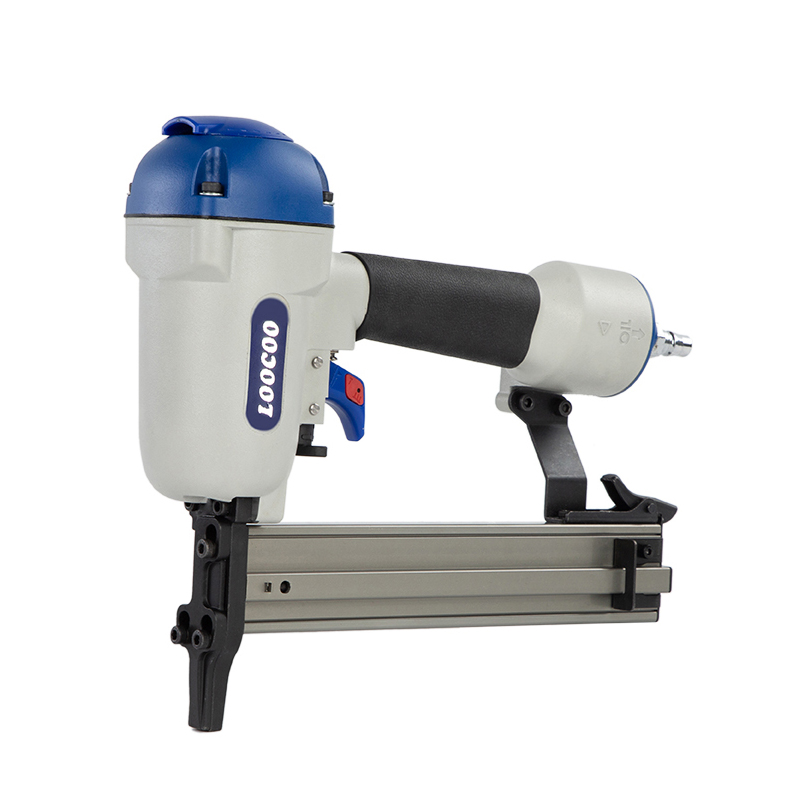
Battery-powered models are designed around portable operation. They can be useful on projects where workers need to move around a site without connecting the tool to a compressor. This format can support flexible work in areas where access to compressed air is limited.
Gas-powered systems use a fuel-based power source and are also designed for mobile fastening work. Their configuration can make them suitable for certain construction environments where portable operation is required.
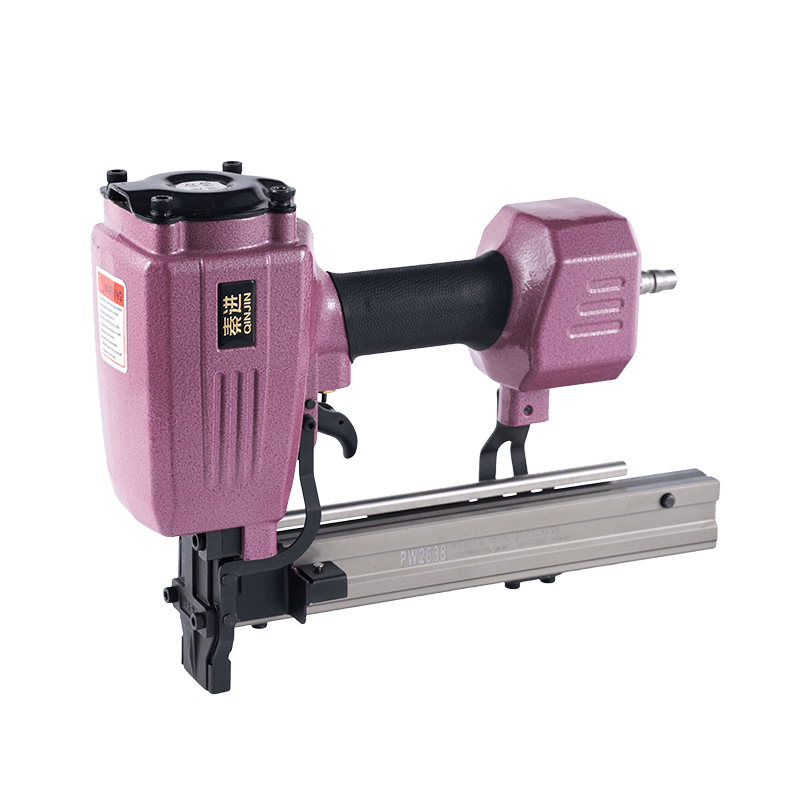
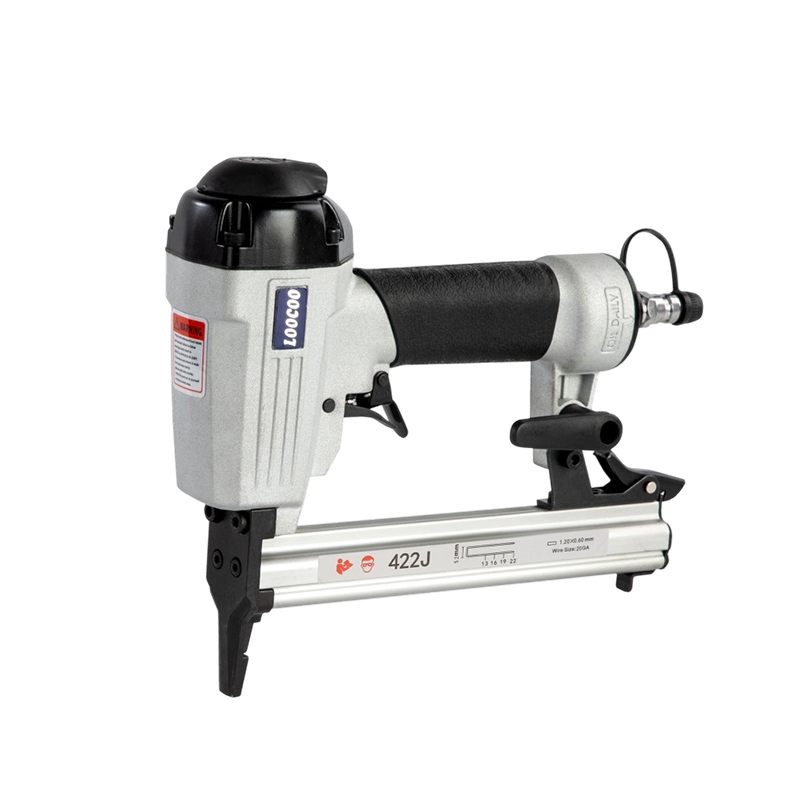
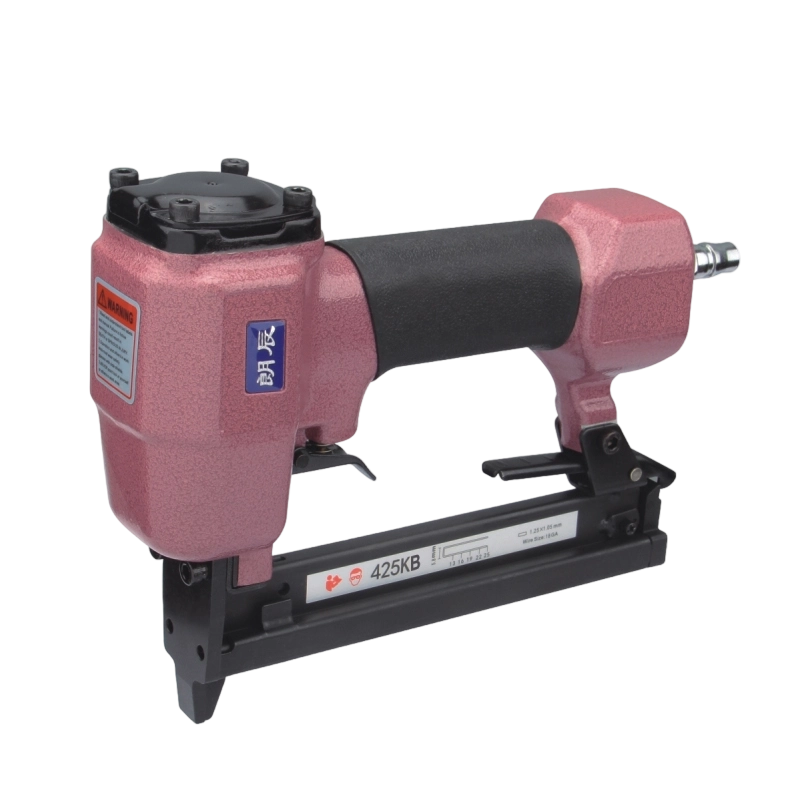
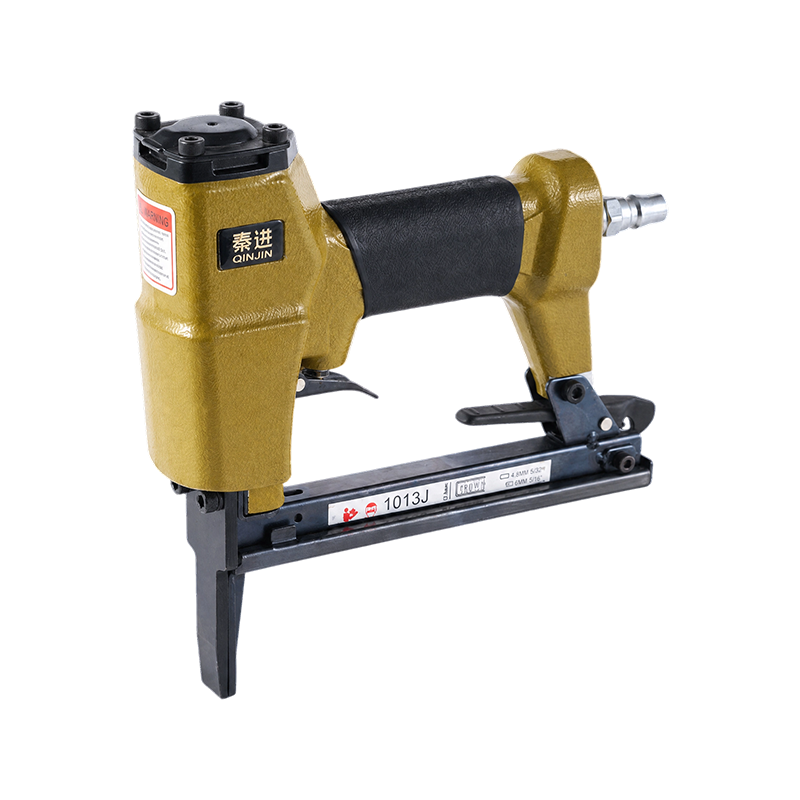
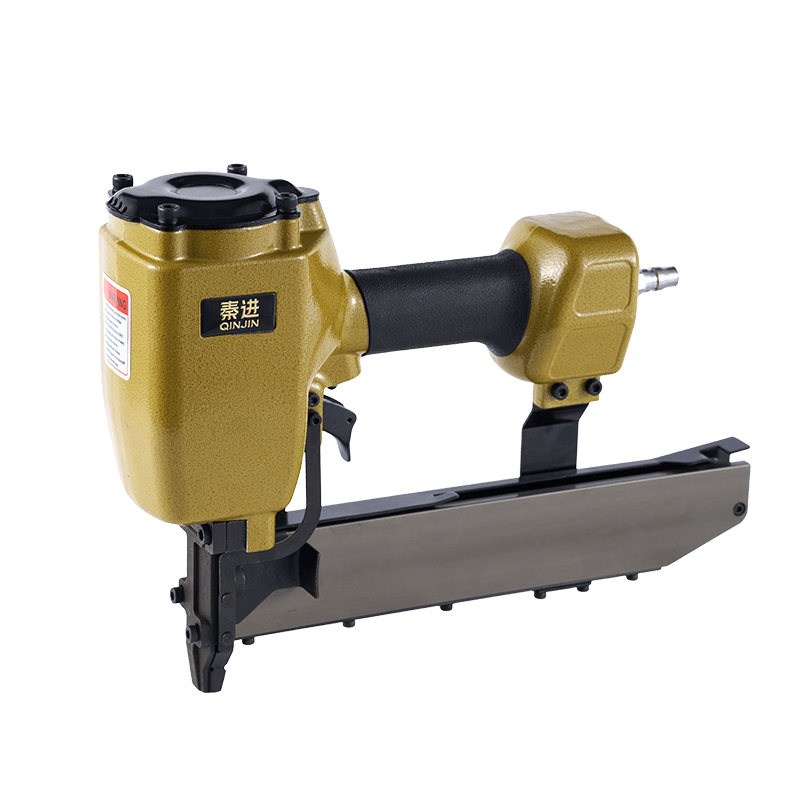
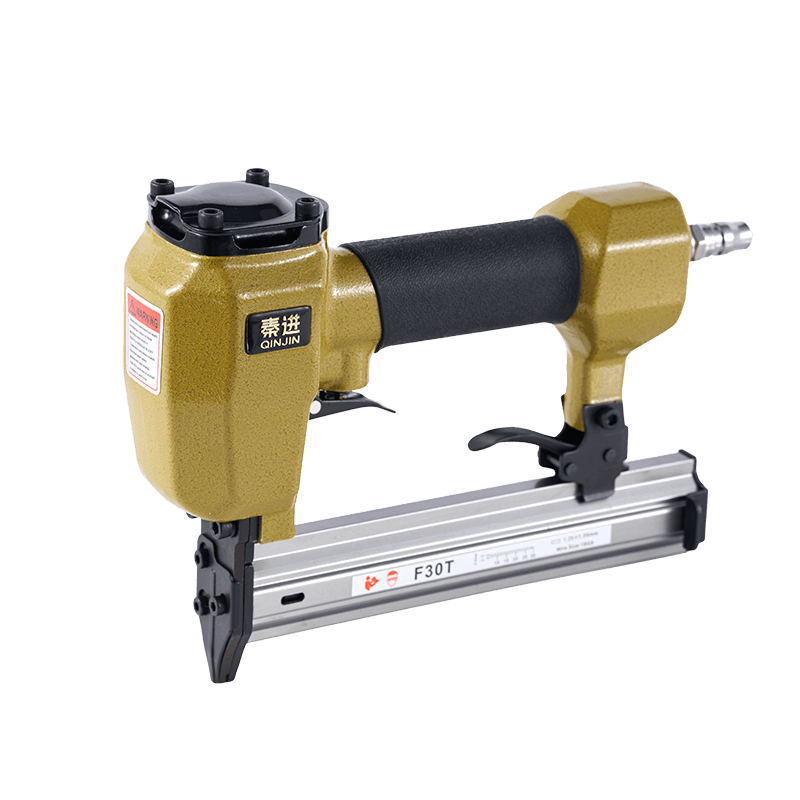
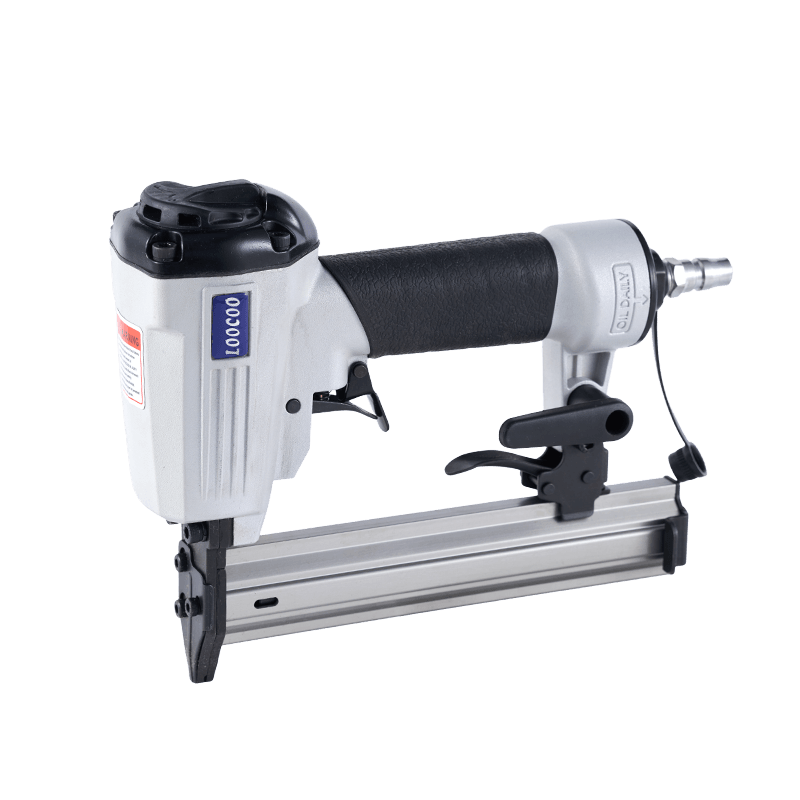
Pneumatic tools use compressed air. They may fit construction sites where an air supply is already available and where several pneumatic tools are used within the same workflow.
Powder-actuated tools use controlled propellant charges and are intended for specific professional fastening applications. Because this tool category involves additional safety considerations, users need appropriate training and must follow the relevant manufacturer instructions and workplace requirements.
Selecting a Type for Different Applications
The application should remain central when evaluating a Concrete Nail Gun. A tool used for attaching metal framing may have different requirements from one used for electrical fixtures or insulation materials.
Indoor construction can place greater importance on workspace conditions, ventilation, noise management, and tool handling. Outdoor projects may involve different access conditions, surface conditions, and mobility requirements.
Battery-powered tools can support movement between work areas without a separate air hose. Pneumatic systems can fit facilities where compressed air is already part of the production environment. Gas-powered systems can provide another portable option for specific construction tasks.
The selection process should also consider the type of fastening work performed during a normal shift. A purchasing team may need to evaluate how often the tool is moved, how fasteners are supplied, how maintenance is handled, and how the tool fits existing site procedures.
Factors Beyond Power Source
Power source is only one part of a Concrete Nail Gun evaluation. Tool weight, grip design, trigger arrangement, balance, and general handling can influence the user experience during repeated installation work.
Fastener compatibility is equally important. The selected tool should support the required fastener format and application. Using a tool and fastener combination outside the specified range can create installation problems and may affect workplace safety.
Maintenance should also be considered. Different tool categories may have different cleaning, inspection, charging, fuel, or air supply requirements. Purchasing teams should understand these requirements before introducing a tool into regular construction operations.
Safety is another core consideration. Workers should receive suitable training for the specific tool category. Protective equipment, work area inspection, substrate checks, and proper storage should be included in site procedures. Powder-actuated equipment requires particular attention to training and controlled handling.
By comparing power source, application, tool handling, fastener compatibility, maintenance, and safety requirements together, construction teams can create a clearer purchasing framework for Concrete Nail Gun equipment.